Many makers struggle with unsightly soot and dark burn marks that often ruin an otherwise perfect design. I understand the frustration of seeing your hard work marred by messy edges after hours of preparation.
In this guide, I explain how to fix wood charring on laser engraving projects to ensure your finished items look professional and clean. By following my proven methods, you will learn to achieve crisp, clear results every single time you operate your machine.
I will walk you through the entire process, from initial material preparation to advanced post-processing techniques. These steps restore the natural beauty of your material, leaving you with high-quality pieces you can be proud to display or sell.
Key Takeaways
- Proper masking techniques prevent surface soot before it starts.
- Adjusting air assist settings significantly reduces unwanted burn marks.
- Sanding is an effective post-processing step for a smooth finish.
- Using specialized cleaning solutions helps remove stubborn residue safely.
- Optimizing power and speed settings minimizes deep heat damage.
Understanding the Causes of Laser Engraving Charring
Mastering the art of laser engraving requires a deep dive into the physics of how wood reacts to intense heat. When the laser beam strikes the surface, it rapidly vaporizes the material to create your design. However, if the energy is not managed correctly, the surrounding fibers can overheat and turn into carbon, which we recognize as unsightly charring.
Finding effective wood charring solutions often starts with observing how your specific machine interacts with different types of timber. By understanding these thermal dynamics, you can better control the outcome of every project.
Why Wood Burns During the Engraving Process
Wood is an organic material composed primarily of cellulose, hemicellulose, and lignin. When a laser beam hits these fibers, it triggers a process called pyrolysis, which is the thermal decomposition of the material. Ideally, the laser should vaporize the wood cleanly, leaving behind a crisp, dark mark.
If the heat lingers too long in one spot, the wood does not just vaporize; it begins to smolder. This creates a chemical reaction that leaves behind carbon deposits. These deposits are what we see as the dark, messy residue surrounding your intended design.
Identifying Common Mistakes That Lead to Excessive Smoke and Soot
One of the most frequent errors I encounter is using too much power combined with a slow travel speed. This combination forces an excessive amount of heat into the wood, causing the material to burn rather than etch. When the wood burns, it releases smoke and soot that settle back onto the surface of your workpiece.
Another common mistake is failing to manage the airflow around the engraving area. Without proper ventilation or air assist, smoke becomes trapped against the wood, staining the surface as it cools. Implementing laser engraving tips for reducing charring, such as optimizing your speed-to-power ratio, will significantly minimize this debris. By refining these settings, you ensure that your projects remain clean and professional from start to finish.
Essential Preparation Techniques to Minimize Charring
Achieving a clean laser engraving starts long before you hit the start button on your machine. I have found that the secret to professional-grade laser projects lies in how you prep your material. By taking these extra steps, you can effectively reduce wood charring and keep your workspace clean.
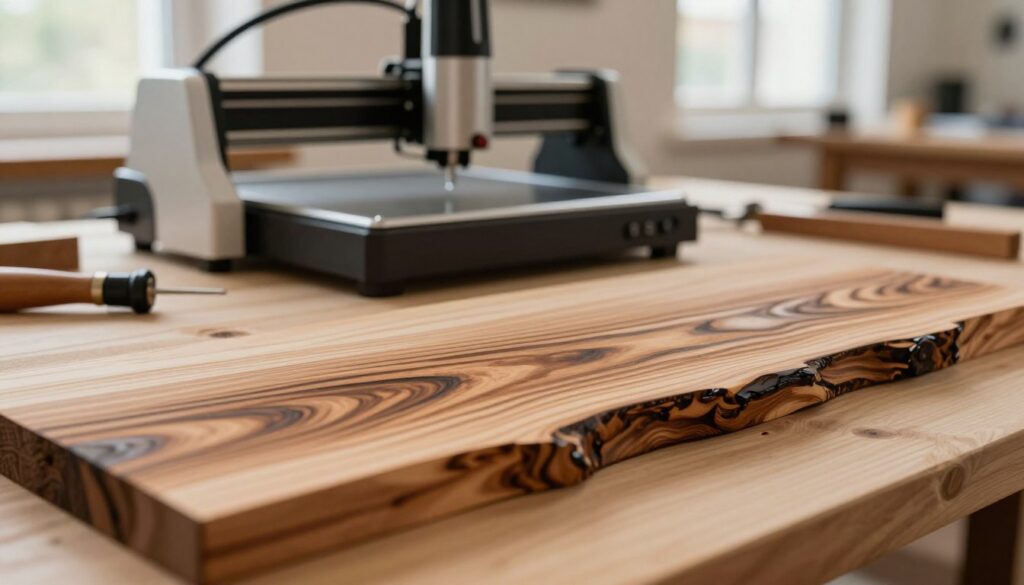
Applying Masking Tape for Surface Protection
Using high-quality transfer tape acts as a physical barrier against the heat and soot generated during the engraving process. This simple layer prevents smoke from settling into the wood grain, which is essential to minimize charring on wood.
Selecting the Right Transfer Tape for Laser Work
I recommend choosing a medium-tack paper transfer tape for most wood projects. Avoid vinyl tapes, as they can release toxic fumes when heated by the laser beam. Always look for a paper-based product that is specifically rated for heat resistance.
Proper Application Methods to Avoid Air Bubbles
To ensure a smooth finish, apply the tape slowly using a squeegee or a flat credit card. Start from the center and work your way outward to push out any trapped air.
“Preparation is the foundation of every successful craft, turning potential errors into polished results.”
Pre-Treating Wood Surfaces with Protective Coatings
Beyond masking, you can apply a light coat of mineral oil or a specialized laser-safe sealant before engraving. This creates a protective barrier that makes it much easier to wipe away any stray soot. By following these methods, you will consistently reduce wood charring and achieve a much cleaner aesthetic for your finished pieces.
How to Fix Wood Charring on Laser Engraving Projects After the Fact
When your laser project comes out with unwanted soot, knowing how to fix wood charring on laser engraving projects is a vital skill. Even with the best preparation, heat can leave behind unsightly residue that obscures your design. I find that most surface marks are easy to remove if you use the right approach.
Removing Surface Soot with Gentle Cleaning Agents
Before you reach for heavy-duty tools, start with gentle cleaning methods. These techniques lift soot without damaging the delicate wood fibers underneath.
Using Isopropyl Alcohol for Quick Cleanup
I recommend using 90% or higher isopropyl alcohol for most cleaning tasks. Simply dampen a lint-free cloth and gently wipe the charred areas in a circular motion. This solvent effectively breaks down the resinous soot left by the laser, allowing you to fix burnt marks on wood without stripping the natural finish.
Applying Melamine Sponges for Stubborn Residue
If alcohol does not remove all the soot, a melamine sponge is an excellent alternative. These sponges act like a very fine abrasive that lifts stubborn carbon deposits from the surface. Always use a light touch to ensure you do not inadvertently sand away the fine details of your engraving.
Sanding Techniques to Restore the Natural Wood Grain
When surface cleaning is not enough, you may need to perform light sanding to restore the wood. This process helps remove deeper heat stains and smooths out the texture of the engraved area.
Choosing the Correct Grit for Delicate Engravings
Selecting the right sandpaper is crucial for a professional result. I suggest starting with a high-grit paper, such as 220 or 320, to avoid removing too much material. Using a finer grit allows you to fix burnt marks on wood while preserving the integrity of your intricate designs.
Hand Sanding vs. Power Sanding Considerations
Deciding between hand sanding and power sanding depends on the scale of your project. Hand sanding offers the best control for small, detailed engravings where precision is paramount. Conversely, power sanding is more efficient for large, flat surfaces but requires a steady hand to prevent uneven spots.
| Method | Best For | Control Level | Effort Required |
|---|---|---|---|
| Isopropyl Alcohol | Light Soot | High | Low |
| Melamine Sponge | Stubborn Residue | Medium | Low |
| Hand Sanding | Intricate Details | Very High | High |
| Power Sanding | Large Areas | Low | Medium |
Adjusting Laser Settings for Cleaner Results
Fine-tuning your laser parameters is the most effective way to ensure your wood projects look clean and professional. I often find that default software settings are too aggressive, which leads to unwanted scorching. By taking manual control of your machine, you can effectively reduce wood charring and improve the overall aesthetic of your work.
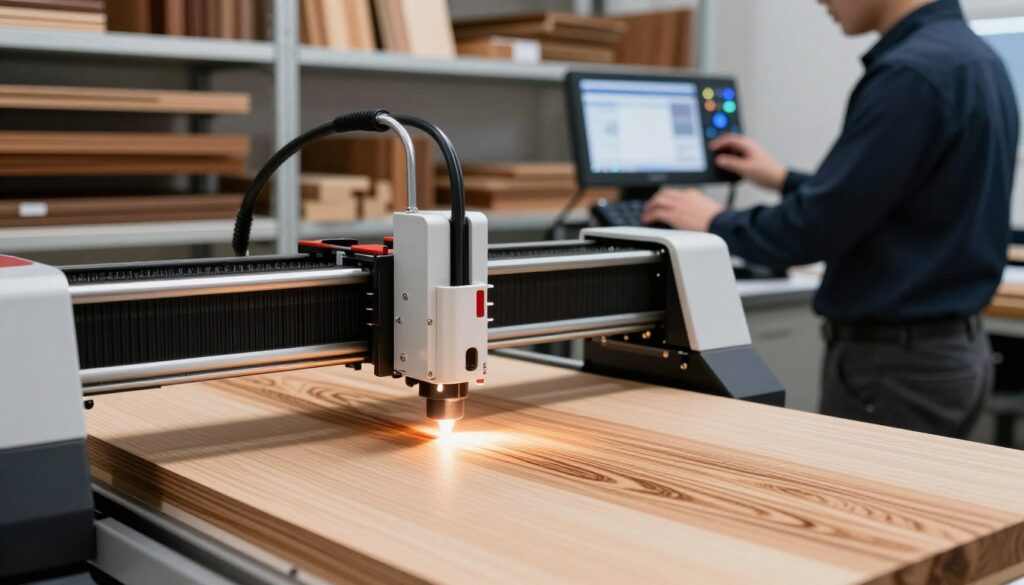
Optimizing Power and Speed Ratios
The relationship between power and speed is the foundation of a successful burn. If your power is too high relative to your speed, the laser dwells too long on the material, causing deep burns. I recommend starting with lower power settings and increasing your speed to find the perfect balance for your specific wood species.
Testing these ratios on scrap material is one of the most important laser engraving tips for reducing charring. You want to achieve a crisp mark without penetrating too deeply into the wood fibers. This approach helps you minimize charring on wood while maintaining high detail.
Managing Air Assist Pressure for Better Smoke Extraction
Air assist is a critical feature that many beginners overlook. By directing a steady stream of air at the point of contact, you push smoke and debris away from the lens and the engraving path. This prevents the smoke from settling back onto the surface, which is a primary cause of dark, messy edges.
Ensure your compressor is set to a consistent pressure level throughout the entire job. Proper airflow acts as a cooling agent, which helps to further reduce wood charring during long engraving sessions.
Utilizing Multiple Passes to Reduce Heat Buildup
Sometimes, a single high-power pass is simply too much for the wood to handle. Instead, I prefer using multiple passes at lower power settings to achieve the desired depth. This method allows the material to cool slightly between passes, preventing the accumulation of heat that leads to deep, charred pockets.
| Wood Type | Power Setting | Speed Setting | Passes |
|---|---|---|---|
| Softwood (Pine) | 25% | 300 mm/s | 1 |
| Hardwood (Oak) | 40% | 250 mm/s | 2 |
| Plywood (Birch) | 35% | 280 mm/s | 1 |
| MDF | 45% | 200 mm/s | 2 |
By following these adjustments, you can successfully minimize charring on wood and achieve a clean, professional finish every time. Experimenting with these variables will give you the confidence to tackle more complex designs with ease.
Choosing the Right Materials to Prevent Burn Marks
My approach to wood charring prevention techniques begins long before I turn on the laser. Many beginners overlook the fact that the physical properties of your stock dictate how the material reacts to intense heat. By selecting the right species, you can significantly reduce the amount of soot and burn marks left behind.
Evaluating Wood Species for Laser Compatibility
Not all wood species are created equal when it comes to laser work. Some woods contain high levels of resins or oils that ignite easily, while others provide a clean, crisp finish with minimal effort.
Hardwoods vs. Softwoods: Which Char Less?
Generally, dense hardwoods are superior for laser projects because they contain fewer volatile oils. Softwoods often have pockets of sap that can cause flare-ups and heavy charring during the engraving process.
| Wood Type | Charring Potential | Best Use |
|---|---|---|
| Cherry | Low | Detailed Engraving |
| Maple | Low | High Contrast |
| Pine | High | Rustic Projects |
If you want to prevent laser engraving charring, I recommend sticking to species like Alder, Cherry, or Maple. These woods offer a consistent grain structure that absorbs the laser energy evenly.
Checking Moisture Content in Your Stock
Moisture is the hidden enemy of a clean laser project. If your wood has a high moisture content, the laser energy is wasted on evaporating water rather than vaporizing the wood fibers. This leads to inconsistent results and excessive smoke production.
- Always store your wood in a climate-controlled environment.
- Use a moisture meter to ensure your stock is below 10% humidity.
- Avoid using green or freshly cut lumber for precision work.
Implementing these wood charring prevention techniques will save you hours of tedious post-processing. When you start with the right material, you spend less time cleaning and more time creating.
Advanced Post-Processing Methods for Professional Finishes
Once the engraving is complete, the real transformation begins with advanced post-processing techniques. While initial cleaning removes loose debris, these final steps ensure your project looks polished and lasts for years. Implementing these wood charring solutions will elevate your work from a simple craft to a professional-grade masterpiece.
Applying Sealants to Lock in the Design
I always recommend applying a high-quality sealant to protect your finished piece. A clear polyurethane or lacquer spray acts as a barrier against moisture and UV damage, which keeps the wood from warping over time.
This process also helps to lock in the design, preventing the fine details of your engraving from fading. By sealing the surface, you ensure that the wood remains vibrant and protected from environmental wear.
“Quality is never an accident; it is always the result of high intention, sincere effort, intelligent direction and skillful execution.”
Using Wood Bleach for Deeply Stained Areas
Sometimes, even with the best settings, you may encounter stubborn dark spots that require extra attention. If you need to fix burnt marks on wood that are too deep for sanding, a specialized wood bleach is your best option.
I suggest using a two-part wood bleach solution for the most effective results. Apply it carefully to the affected grain, let it sit according to the manufacturer’s instructions, and then neutralize the surface with water or vinegar.
Polishing Techniques for a High-End Look
To achieve a truly professional finish, I finish my projects with a fine-grit sanding block followed by a high-quality wax or oil. This step brings out the natural beauty of the wood grain and provides a smooth, tactile experience.
Buffing the surface with a soft cloth creates a subtle sheen that highlights the depth of your engraving. This final touch ensures your work stands out with a clean, sophisticated appearance that reflects your dedication to the craft.
Conclusion
Achieving a flawless finish on your wood projects requires a blend of technical skill and creative patience. I find that the best results come from a deep understanding of how your specific machine, such as a Glowforge or an Epilog laser, interacts with different wood grains.
You now possess the knowledge to prevent laser engraving charring through careful planning and execution. By applying these wood charring prevention techniques, you gain the ability to elevate your work from simple hobbyist pieces to professional-grade creations.
I encourage you to test these methods on various scrap materials before starting your final designs. Adjusting your workflow based on these insights will help you maintain consistent quality across every project. You are now ready to tackle complex designs with total confidence. Your commitment to refining these skills will surely set your custom wood products apart in a crowded market.