Working with high-powered engraving equipment requires absolute focus on protection. Finding the best budget safety glasses for blue diode lasers is critical for preventing permanent retinal damage during your creative projects. I understand that navigating the market for reliable eye gear can feel overwhelming.
My goal is to simplify this process for you. I have personally tested various models to ensure that you do not have to sacrifice quality for affordability. This guide provides the essential criteria needed to select gear that keeps your vision secure while you work.
You deserve to operate your machinery with complete confidence. By following these recommendations, you can focus on your craft without worrying about hidden risks. Let us explore the top options that balance performance with value.
Key Takeaways
- Prioritize optical density ratings over aesthetic design.
- Verify that your equipment matches the specific wavelength of your machine.
- Regularly inspect your gear for scratches or structural cracks.
- Affordable options can provide professional-grade protection when chosen correctly.
- Never operate engraving tools without certified eye coverage.
Understanding Laser Safety Standards for Blue Diode Lasers
I believe that knowing the technical specifications of your safety gear is the foundation of a secure workspace. When working with high-energy equipment, you cannot rely on guesswork or standard sunglasses. Proper blue laser eye protection is a critical investment that directly impacts your long-term vision health.
Why Optical Density (OD) Ratings Matter
Optical Density, or OD, is the primary metric used to measure how much light a lens can block. It represents the ability of the material to attenuate specific light wavelengths before they reach your eyes. Higher OD ratings indicate a greater level of protection against intense laser emissions.
If you are operating a blue diode laser, you must ensure your eyewear has an appropriate OD rating for that specific power output. Using glasses with an insufficient rating is dangerous, as the lens may fail to block enough energy to prevent retinal damage. Always verify that the manufacturer clearly lists the OD rating for the 445nm to 450nm spectrum.
Identifying the Correct Wavelength Range
Most blue diode lasers operate within a very specific range, typically between 445nm and 450nm. To ensure your blue laser eye protection is effective, you must match the lens filter to this exact wavelength. Generic tinted glasses often lack the specialized coatings required to filter out these specific frequencies.
I strongly advise against using standard safety glasses or sunglasses for laser work. These items are designed for general impact protection or glare reduction, not for blocking concentrated laser light. By choosing gear specifically rated for your laser’s wavelength, you guarantee that your blue laser eye protection provides the defense you need to work safely.
How to Select the Best Budget Safety Glasses for Blue Diode Lasers
Choosing the right equipment requires a careful balance between safety standards and daily comfort. When I look for cost-effective laser safety eyewear, I prioritize gear that protects my vision without causing fatigue during long engraving sessions. You should never sacrifice your health for a lower price tag, but you can certainly find high-quality options that fit your budget.
Evaluating Frame Comfort and Fit
A frame that does not fit well is more than just an annoyance; it is a safety risk. I always recommend looking for designs that provide a tight seal around the eye socket. This prevents stray laser reflections from entering through the gaps on the sides of the frames.
If you wear prescription glasses, ensure the safety goggles are designed to fit comfortably over them. Adjustable temples and soft nose bridges are essential features that make the best budget safety glasses for blue diode lasers much easier to wear for hours at a time. You want a lightweight frame that stays in place without pinching your skin.
Assessing Lens Material and Durability
The material of the lens determines how well your glasses will hold up in a busy workshop. I prefer high-quality polycarbonate lenses because they offer superior durability against accidental impacts and surface scratches. These lenses are lightweight yet incredibly tough, which is vital for long-term use.
When you evaluate cost-effective laser safety eyewear, keep these factors in mind to ensure you get the best value:
- Scratch Resistance: Look for specialized coatings that keep your vision clear over time.
- Impact Rating: Ensure the lenses meet standard safety requirements for debris protection.
- Optical Clarity: High-quality lenses should not distort your view of the laser beam or the material.
By focusing on these specific details, you can confidently select the best budget safety glasses for blue diode lasers that will keep your eyes protected for years. Investing a little extra time in your research now will pay off in both safety and comfort later.
Top Recommended Affordable Laser Safety Glasses
Finding reliable eye protection for your laser projects does not have to break the bank. I have evaluated several models to ensure you get professional-grade shielding without overspending. These affordable laser safety glasses provide the necessary optical density to keep your eyes safe during operation.
JTech Photonics Safety Goggles
Overview of Protection Capabilities
JTech Photonics is a well-known name in the hobbyist laser community. Their goggles are specifically engineered to block the 445nm wavelength common in blue diode lasers. They offer a high optical density rating, which is essential for preventing harmful light from reaching your retinas.
Why These Are My Top Budget Pick
These are my top-rated laser goggles because they combine comfort with high-level performance. I find that the wrap-around design provides excellent peripheral coverage. They are lightweight enough to wear for long engraving sessions without causing fatigue.
Honeywell Laser Protective Eyewear
Key Features for Blue Diode Users
Honeywell is a leader in industrial safety, and their eyewear reflects that expertise. These glasses feature impact-resistant lenses that meet strict ANSI standards. They are designed to filter out specific blue light frequencies while maintaining enough visibility to monitor your work.
Pros and Cons of This Model
The primary advantage of this brand is the durability of the frame and lens material. However, some users might find the fit slightly rigid compared to specialized hobbyist brands. Despite this, they remain among the best budget blue laser glasses for those who prioritize industrial-grade reliability.
| Brand | Protection Level | Comfort Rating | Best For |
|---|---|---|---|
| JTech Photonics | High (445nm) | Excellent | Hobbyist Engraving |
| Honeywell | Industrial Grade | Good | Long-term Durability |
| Generic Budget | Variable | Poor | Not Recommended |
Verifying the Authenticity of Your Safety Gear
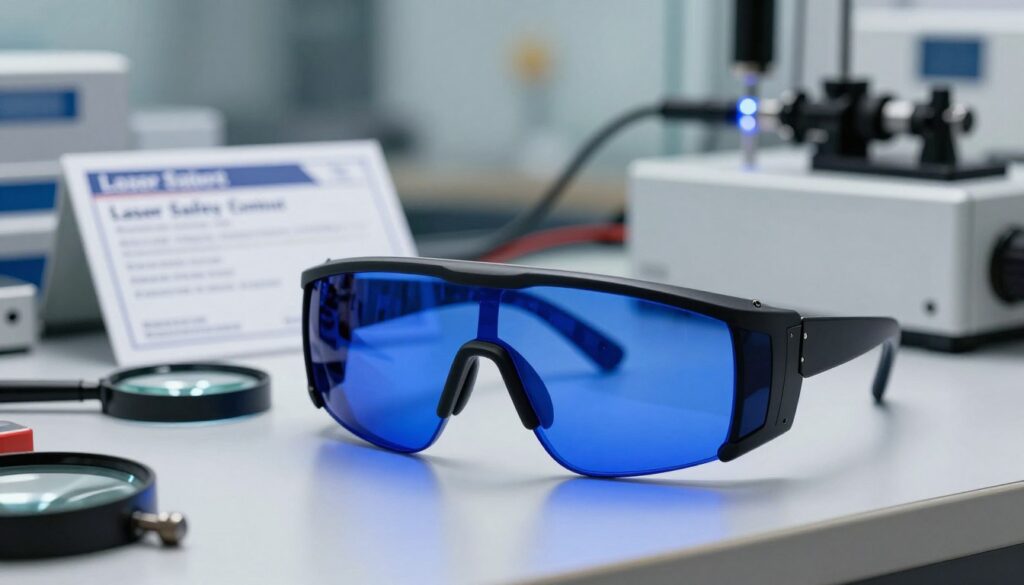
Finding quality protective eyewear for blue lasers is a serious task that demands your full attention to detail. Because the market is unfortunately flooded with counterfeit products, you must act as your own first line of defense. I always prioritize safety by ensuring that every piece of equipment I use meets rigorous international standards.
Checking for Certification Markings
When you inspect your new glasses, look for clear, permanent markings on the frame or lens. Authentic quality protective eyewear for blue lasers will typically display a CE mark, which indicates compliance with European health and safety requirements. You should also look for ANSI Z87.1 ratings, which are the gold standard for impact and optical protection in the United States.
“The integrity of your safety gear is the only barrier between your vision and permanent damage. Never compromise on certified protection.”
Avoiding Counterfeit Products on Marketplaces
It is essential to purchase your gear from reputable vendors rather than unverified third-party marketplaces. Many low-cost listings claim to offer protection but fail to meet basic safety standards, putting your eyes at significant risk. I strongly recommend buying directly from established manufacturers or authorized distributors to ensure your gear is authentic.
| Feature | Certified Gear | Counterfeit Gear |
|---|---|---|
| Certification Mark | Clearly Stamped (CE/ANSI) | Missing or Printed |
| Optical Density | Verified Lab Testing | Unverified/False Claims |
| Vendor Source | Authorized Distributor | Random Marketplace |
| Safety Guarantee | High Reliability | High Risk of Failure |
Protecting your vision is not worth the risk of using uncertified, potentially dangerous equipment. By verifying your quality protective eyewear for blue lasers, you gain the peace of mind necessary to focus on your projects. Always verify before you buy to keep your workspace safe and secure.
Step-by-Step Guide to Testing Your Laser Glasses
I always recommend performing a controlled test on your safety glasses to ensure they provide the protection you need. Taking this extra step gives me peace of mind before I start any high-intensity project. By verifying your gear, you confirm that your investment is truly shielding your vision from harmful radiation.
Setting Up a Controlled Environment
To begin, you must create a space where you can work without distractions. I suggest choosing a room with no windows or covering them completely to prevent stray reflections. Always use a non-reflective surface, such as a matte black board, to catch the laser beam during your test.
Ensure that the area is completely clear of other people or pets. You want to focus entirely on the equipment without worrying about accidental exposure to others. A controlled environment is the foundation of a successful safety check.
Performing a Low-Power Beam Test
Once your space is ready, set your laser to the lowest possible power setting. I find it helpful to wear the glasses and look at the beam’s impact point on the non-reflective surface. You should see only a faint dot, if anything at all, through the protective lenses.
If you notice a bright, intense light, your glasses may not be providing the necessary optical density. Do not proceed with your project if the lenses fail to dim the beam significantly. Always trust your eyes and prioritize safety over project speed.
Safety Precautions During Testing
Even at low power, lasers can be dangerous if handled incorrectly. I make it a rule to never look directly into the laser aperture, even while wearing my safety glasses. Keep your movements slow and deliberate to avoid any accidental slips or misdirected beams.
| Test Phase | Action Required | Safety Goal |
|---|---|---|
| Preparation | Clear the room | Prevent accidental exposure |
| Setup | Use matte surfaces | Eliminate stray reflections |
| Execution | Low-power beam test | Verify lens attenuation |
| Review | Inspect for light leaks | Confirm full eye coverage |
By following these steps, you ensure that your protective gear is functioning as intended. Consistency is key when it comes to laser safety. Remember that your vision is irreplaceable, so never skip these vital verification procedures.
Common Mistakes When Using Laser Safety Eyewear
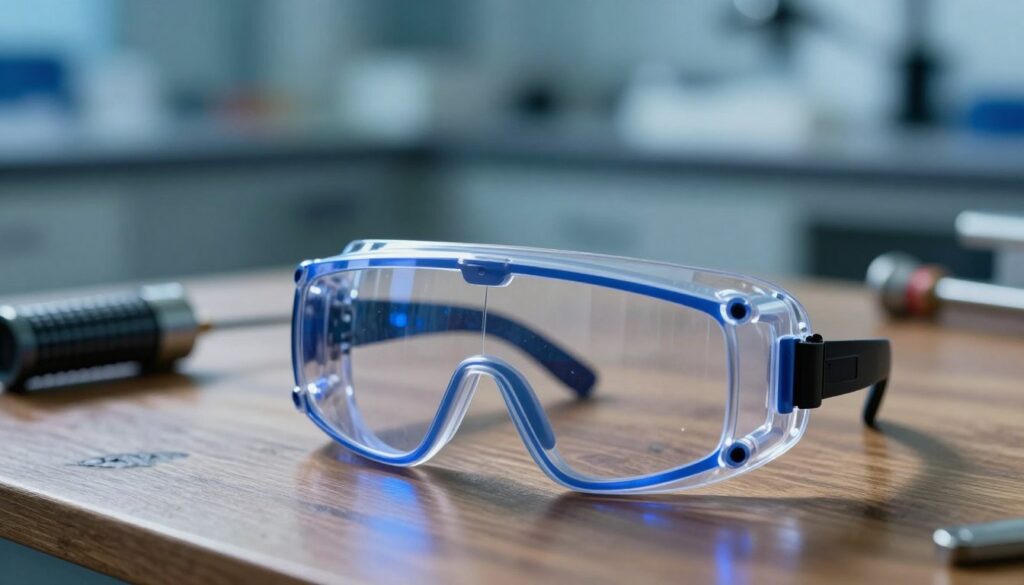
The most common mistakes in laser safety often stem from a misunderstanding of how light filtration actually works. I frequently see users prioritize convenience over certified protection, which creates a false sense of security. Relying on cheap laser safety goggles that lack proper certification is a gamble you should never take with your eyesight.
Assuming All Tinted Glasses Provide Protection
Many beginners mistakenly believe that any pair of dark-tinted glasses will block harmful laser light. In reality, standard sunglasses or tinted safety glasses are designed to reduce glare, not to filter specific high-energy wavelengths. Using cheap laser safety goggles that do not match your laser’s specific nanometer range is essentially the same as wearing no protection at all.
“Safety is not just a feature; it is the foundation of every successful project. Never compromise on the gear that protects your most valuable assets.”
You must ensure your eyewear is rated for the exact wavelength of your blue diode laser. If the glasses do not explicitly state the optical density (OD) and the wavelength range, they are not suitable for laser work. Do not let a low price tag distract you from the technical requirements needed to keep your vision intact.
Neglecting to Inspect Lenses for Scratches
Even high-quality safety gear can fail if the lenses are compromised. I make it a habit to inspect my equipment before every single session. A small scratch might seem insignificant, but it can act as a focal point for laser energy to penetrate the protective coating.
When you use cheap laser safety goggles, the materials are often softer and more prone to surface damage. You should follow these steps to ensure your lenses remain effective:
- Check for deep gouges: Any scratch that catches your fingernail is a sign that the lens needs immediate replacement.
- Inspect for coating wear: Look for areas where the tint or reflective layer appears thin or cloudy.
- Clean with care: Always use a microfiber cloth and approved lens cleaner to avoid creating new micro-scratches.
Consistency is key when maintaining your safety equipment. If you find any damage, retire the glasses immediately. It is far better to invest in a new pair than to risk permanent retinal damage from a compromised lens.
Proper Maintenance and Storage for Longevity
I have found that the longevity of your laser protection depends entirely on how you treat it daily. When you invest in quality protective eyewear for blue lasers, you are securing your vision against potential hazards. Consistent care ensures that the specialized optical coatings remain effective and scratch-free over time.
Cleaning Techniques to Prevent Lens Degradation
You must avoid using paper towels or rough cloths, as these can easily create micro-scratches on the lens surface. Instead, I recommend using a clean microfiber cloth specifically designed for optical lenses. If the lenses are particularly dirty, use a mild soap and water solution or a dedicated lens cleaning spray.
Never use harsh chemicals like ammonia or bleach, as these substances can strip away the protective filters that block blue light. Gently wipe the lenses in a circular motion to remove dust and debris. Always ensure the glasses are completely dry before you store them to prevent water spots or residue buildup.
“The integrity of your safety equipment is the primary barrier between your eyes and permanent damage; treat your gear with the same respect you give your vision.”
Storing Glasses to Avoid Environmental Damage
Proper storage is just as vital as cleaning when maintaining quality protective eyewear for blue lasers. I always keep my glasses in a hard-shell case when they are not in use. This simple habit prevents accidental drops and protects the lenses from heavy dust accumulation in the workshop.
You should also avoid leaving your glasses in areas with extreme temperatures, such as near a heater or in direct sunlight. Excessive heat can warp the frames or degrade the chemical composition of the lens filters. By keeping your gear in a cool, dry, and dark environment, you ensure that your quality protective eyewear for blue lasers remains reliable for years.
| Maintenance Task | Frequency | Recommended Tool |
|---|---|---|
| Surface Dust Removal | Before every use | Microfiber cloth |
| Deep Lens Cleaning | Weekly | Mild soap and water |
| Case Inspection | Monthly | Visual check |
| Frame Alignment Check | Quarterly | Manual adjustment |
Conclusion
Your eyesight remains your most valuable asset when operating high-powered equipment. Investing in quality gear ensures you maintain clear vision while pursuing your creative passions.
I encourage you to prioritize safety by selecting reliable, affordable laser safety glasses that meet strict industry standards. Proper protection allows you to focus on your craft without worrying about potential eye damage.
Brands like JTech Photonics and Honeywell offer excellent options for hobbyists and professionals alike. You should verify every purchase to ensure the equipment provides the necessary optical density for your specific blue diode laser.
Maintaining your gear through regular cleaning and careful storage extends the life of your protective equipment. A small investment in high-quality, affordable laser safety glasses pays off by keeping your workspace secure.
I invite you to share your experiences with different protective brands in the community forums. Your feedback helps others make informed decisions about their own safety gear. Stay vigilant and enjoy your laser projects with complete peace of mind.