Many hobbyists often ask me: is a water chiller required for a forty watt CO2 laser? When you start your journey with desktop engraving tools, managing heat becomes your primary challenge. Without proper thermal regulation, your equipment risks permanent damage during long projects.
I emphasize the importance of water chiller for laser machine setups because these devices maintain stable temperatures. Consistent cooling prevents the glass tube from cracking under intense heat. Protecting your investment ensures that your machine performs reliably every time you power it on.
Key Takeaways
- Thermal management prevents premature tube failure.
- Active cooling systems offer superior stability over basic pumps.
- Consistent temperatures improve the quality of your engravings.
- Entry-level machines benefit significantly from dedicated cooling units.
- Safety remains the top priority when operating high-heat equipment.
Understanding the Cooling Needs of Your Laser System
The internal mechanics of a CO2 laser rely on a delicate balance of gas excitation that produces heat as a byproduct. When I operate my machine, the electrical energy pumped into the gas mixture is not converted entirely into light. A significant portion of this energy transforms into thermal waste, which must be managed effectively to protect the hardware.
Implementing a reliable forty watt laser cooling system is the primary way to handle this thermal load. Without proper heat dissipation, the internal temperature of the glass tube rises rapidly during operation. This heat buildup can lead to catastrophic failure if left unchecked.
Why CO2 Laser Tubes Generate Excessive Heat
The process of exciting the CO2 gas mixture involves high-voltage discharge, which inherently creates friction at the molecular level. Because the laser tube is a sealed glass vessel, it acts as an insulator, trapping this heat inside the cavity. Efficient thermal transfer is required to move this energy away from the gas before it damages the optics or the glass structure.
Effective CO2 laser water cooling acts as a heat sink, absorbing the energy generated during the excitation phase. If the water flow is insufficient, the gas mixture becomes unstable, leading to a noticeable drop in cutting power. This is why consistent circulation is vital for maintaining a stable beam profile.
The Relationship Between Temperature and Laser Tube Longevity
Operating your laser at high temperatures significantly accelerates the degradation of the internal components. Over time, excessive heat causes the glass to expand and contract, which can lead to micro-fractures or total tube failure. I have found that keeping the coolant within a specific range is the best way to extend the life of my equipment.
“Precision in thermal management is the difference between a machine that lasts for years and one that fails after a few months of heavy use.”
By prioritizing a robust forty watt laser cooling system, you ensure that the laser tube remains within its safe operating parameters. Consistent CO2 laser water cooling prevents the gas from overheating, which preserves the integrity of the laser beam. Investing in temperature control is essentially an investment in the longevity of your entire engraving setup.
Is a Water Chiller Required for a Forty Watt CO2 Laser
I often get asked if a water chiller is required for a forty watt CO2 laser, especially by beginners. While a small laser might seem simple to maintain, the heat generated during operation is significant. Choosing the right cooling method directly impacts the lifespan of your glass laser tube.
Comparing Passive Cooling Buckets Versus Active Chillers
Many users start with a simple bucket of water and a small aquarium pump. This passive method relies on the thermal mass of the water to absorb heat. However, this approach is rarely sufficient for long-term reliability.
An active water chiller for CO2 laser systems, such as the CW-5000 series, uses a compressor to maintain a precise temperature. Unlike a bucket, which warms up as the laser runs, a chiller actively removes heat from the loop. This ensures your laser operates within its optimal thermal window consistently.
“Proper cooling is the single most important factor in preventing premature laser tube failure and maintaining consistent cutting power.”
The following table highlights the key differences between these two cooling approaches for your machine:
| Feature | Passive Bucket | Active Chiller |
|---|---|---|
| Temperature Control | None (Ambient dependent) | Precise (Digital setpoint) |
| Heat Removal | Slow/Limited | Fast/Continuous |
| Reliability | Low | High |
| Best For | Short, infrequent tasks | Professional/Long jobs |
Identifying When Your Laser Environment Demands Active Cooling
Understanding your specific laser machine cooling requirements depends heavily on your workspace. If your shop or garage reaches temperatures above 75°F, a bucket of water will struggle to keep the tube cool. High ambient temperatures lead to rapid heat buildup, which can crack the delicate glass of your laser tube.
You should also consider your usage frequency. If you plan to run your laser for more than thirty minutes at a time, the water in a bucket will eventually reach a point where it can no longer dissipate heat effectively. Investing in an active cooling system provides peace of mind and protects your equipment from thermal damage.
Ultimately, if you value the longevity of your machine, moving away from passive cooling is a smart decision. Consistent temperature regulation is the key to achieving clean, repeatable cuts every time you power on your laser.
Evaluating Your Current Cooling Setup
My experience shows that many cooling issues remain hidden until they cause permanent damage to the laser tube. Taking the time to audit your laser cutter cooling solutions is a vital step in maintaining the health of your machine. I recommend a proactive approach to ensure your hardware stays within safe operating limits.
Monitoring Water Temperature During Extended Engraving Sessions
During long engraving jobs, heat builds up rapidly within the glass tube. I suggest using a digital thermometer to track the water temperature in your reservoir consistently. Keeping the water below 25°C (77°F) is generally the gold standard for most forty-watt systems.
If you notice the temperature creeping higher, you must pause your work immediately. Understanding your specific laser machine cooling requirements helps you determine if your current reservoir size is sufficient for your workload. Without proper monitoring, you risk overheating the gas mixture inside the tube, which leads to a significant drop in output power.
Signs That Your Current Cooling Method Is Failing
Your machine will often provide subtle warnings before a total system failure occurs. One of the most common indicators is inconsistent cutting depth across a single project. If your laser starts strong but loses intensity as the session progresses, your cooling system is likely struggling to dissipate heat effectively.
You should also watch for cloudy water or visible debris in your tubing, which can restrict flow and cause localized hot spots. If you observe these symptoms, your current laser machine cooling requirements are not being met. Addressing these red flags early is the best way to prevent catastrophic tube failure and expensive repairs down the road.
Step-by-Step Guide to Installing a Dedicated Water Chiller
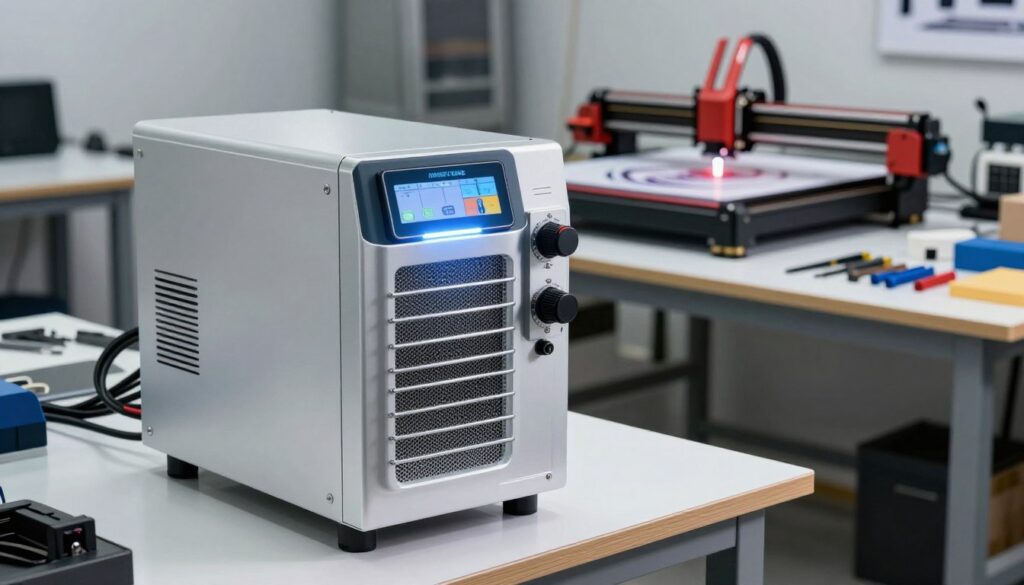
Integrating a dedicated cooling unit is the most effective way to protect your laser investment. When you install a water chiller for laser engraving, you ensure that your machine maintains a stable temperature during long projects. This process requires patience and a focus on secure connections to prevent any potential damage to your equipment.
Preparing the Laser Tube and Tubing Connections
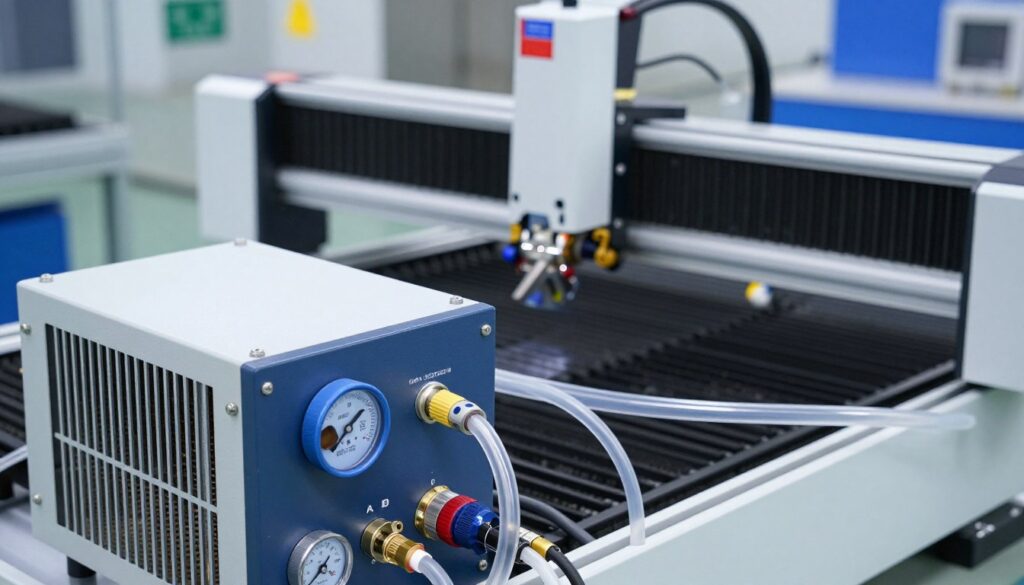
Begin by positioning your chiller on a flat, stable surface near your laser machine. You must ensure that the inlet and outlet ports are clearly identified before attaching the silicone tubing. Always use high-quality hose clamps to secure every connection point firmly.
Avoid sharp bends in the tubing, as these can restrict water flow and cause the pump to work harder than necessary. If the tubes are too long, trim them carefully to create a direct path. This simple step helps maintain consistent pressure throughout the cooling loop.
Configuring the Flow Sensor and Alarm Settings
The flow sensor acts as a vital safety guard for your laser tube. Once the tubing is connected, you need to calibrate the sensor to recognize the correct flow rate for your specific model. Most modern units allow you to set an alarm threshold that triggers if the water stops moving.
I recommend testing these settings before you ever fire the laser. If the alarm sounds during your initial setup, check for kinks in the lines or air pockets. Proper calibration prevents the tube from overheating if the pump fails unexpectedly.
Testing the Closed-Loop System for Leaks
Before powering on the laser, run the chiller for at least ten minutes to circulate the coolant. Carefully inspect every joint and connection for even the smallest drop of moisture. A dry system is essential for the longevity of your electronics and the safety of your workspace.
| Installation Phase | Primary Action | Safety Priority |
|---|---|---|
| Tubing Setup | Secure with clamps | Prevent leaks |
| Sensor Calibration | Set alarm thresholds | Protect laser tube |
| System Testing | Run circulation test | Verify flow integrity |
By following these steps, you successfully integrate a reliable water chiller for laser engraving into your shop. Taking the time to perform these checks ensures that your machine remains productive and safe for years to come.
Best Practices for Maintaining Laser System Temperature
I have found that the longevity of my laser tube depends heavily on how I manage its cooling environment. Consistent care is the secret to a long-lasting and high-performing laser engraving machine. By maintaining laser system temperature through these best practices, you ensure the highest quality output for every project.
Choosing the Correct Coolant and Additives
Using the right fluid is the first step in protecting your investment. I always recommend using distilled water because it lacks the minerals found in tap water that can cause scale buildup inside the delicate glass tube.
To prevent biological growth, such as algae, I add a small amount of specialized anti-algae solution to the reservoir. Clean water is the lifeblood of your laser, and keeping it free of contaminants ensures that the heat transfer remains efficient during long engraving sessions.
“An ounce of prevention is worth a pound of cure when it comes to the delicate optics and glass components of a laser system.”
Establishing a Routine for Water Replacement
Even with the best additives, water quality degrades over time. I make it a habit to replace the coolant in my system every few weeks to prevent mineral accumulation and potential blockages.
A simple maintenance schedule helps me stay on track. I suggest the following routine for most users:
- Monthly: Check the water clarity and inspect the tubing for any signs of sediment.
- Quarterly: Completely drain the system and refill it with fresh distilled water and a new dose of anti-algae additive.
- Annually: Inspect the pump and flow sensor for any signs of wear or buildup.
Optimizing Ambient Room Temperature for Laser Efficiency
Your workshop environment plays a massive role in the effectiveness of your CO2 laser water cooling setup. If the room is too hot, the chiller must work significantly harder to keep the water at the target temperature.
I try to keep my workspace climate-controlled to ensure the chiller operates within its ideal range. When the ambient temperature stays stable, the laser tube performs more consistently, which leads to cleaner cuts and more precise engravings.
Common Mistakes When Cooling CO2 Laser Tubes
I have seen many users accidentally damage their equipment by overlooking simple cooling errors. When you invest in high-quality laser cutter cooling solutions, you expect reliable performance. However, even the best hardware requires proper handling to avoid unnecessary repairs.
Avoiding the Use of Tap Water and Mineral Buildup
One of the most frequent mistakes I encounter is the use of standard tap water. Tap water contains minerals that eventually settle inside the delicate glass walls of your laser tube. Over time, this scale buildup acts as an insulator, preventing heat from escaping effectively.
I strongly recommend using distilled water or a specialized coolant mixture instead. This simple change prevents mineral deposits and keeps your cooling channels clear. Consistently maintaining laser system temperature requires clean, non-conductive fluid to ensure optimal heat transfer.
Preventing Air Bubbles in the Cooling Circuit
Air bubbles are another silent enemy of your laser tube. If air gets trapped in the cooling loop, it creates hot spots where the water cannot reach the glass surface. These localized heat spikes can cause the tube to crack or fail prematurely.
To fix this, I always tilt my laser tube slightly during the initial filling process. This allows trapped air to escape through the outlet hose. You should observe the flow carefully to ensure a steady, bubble-free stream before firing your laser.
Managing Flow Rate Restrictions
Flow rate restrictions often occur due to kinked tubing or clogged filters. If the water moves too slowly, it cannot carry heat away from the laser fast enough. I suggest checking your hoses regularly to ensure they are not pinched or bent at sharp angles.
Proper flow is essential for maintaining laser system temperature during long engraving sessions. If you notice the water temperature rising quickly, inspect your pump and lines for any blockages. Keeping your laser cutter cooling solutions optimized will protect your investment for years to come.
| Cooling Practice | Recommended Action | Risk of Neglect |
|---|---|---|
| Water Quality | Use Distilled Water | Mineral Scale Buildup |
| Air Management | Purge All Bubbles | Localized Overheating |
| Flow Monitoring | Check Hose Integrity | Reduced Cooling Efficiency |
Selecting the Right Equipment for Your Laser Engraving Setup
I often find that choosing the correct hardware is the most overlooked step in laser maintenance. When you invest in a high-quality water chiller for laser engraving, you are essentially protecting the longevity of your investment. A proper cooling unit ensures that your machine operates within safe thermal limits during every project.
Key Features to Look for in Entry-Level Chillers
When shopping for a water chiller for CO2 laser units, prioritize models that offer a clear digital temperature display. This feature allows you to monitor real-time thermal data without guessing if your coolant is within the optimal range. I also recommend looking for units equipped with built-in alarm functions that trigger if the flow rate drops or the temperature spikes.
Reliability is key, so check for a robust pump and a well-insulated reservoir. A high-quality forty watt laser cooling system should provide consistent circulation to prevent localized hot spots in the tube. These features collectively reduce the risk of catastrophic tube failure during long engraving sessions.
Compatibility Considerations for Forty Watt Laser Machines
Matching your chiller to your specific machine is essential for peak performance. A forty watt laser cooling system must be compatible with the tubing diameter and the flow requirements of your laser tube. I suggest verifying that the chiller’s cooling capacity is sufficient for the ambient temperature of your workspace.
The following table outlines the essential features I look for when comparing different cooling units for small-scale laser setups:
| Feature | Entry-Level Model | Professional Model |
|---|---|---|
| Temperature Control | Manual Dial | Digital Precision |
| Alarm System | Basic Flow Alarm | Advanced Temp/Flow |
| Cooling Capacity | Standard 40W | High-Efficiency |
| Build Quality | Plastic Housing | Reinforced Metal |
By selecting a water chiller for laser engraving that meets these technical standards, you ensure that your machine remains productive for years. Always double-check the power requirements to ensure your electrical outlet can handle the load of the chiller alongside your laser machine. Taking these steps will provide you with the peace of mind needed to focus on your creative work.
Conclusion
Maintaining a stable operating environment is the most reliable way to extend the lifespan of your laser tube. I have seen many operators overlook the importance of water chiller for laser machine setups, only to face premature hardware failure. You now possess the knowledge to prevent these avoidable technical setbacks.
Investing in high-quality cooling equipment from brands like CW-5000 ensures your forty-watt system remains within safe thermal limits. This proactive approach saves you from expensive repairs and frustrating downtime. You gain peace of mind knowing your equipment is protected during every engraving project.
I encourage you to audit your current cooling configuration today. Recognizing the importance of water chiller for laser machine performance allows you to focus on your creative work rather than troubleshooting hardware issues. Consistent temperature management remains the gold standard for achieving professional results with your laser cutter.
Share your experiences with different cooling methods in the community forums. Your feedback helps other makers choose the right path for their workshops. I look forward to seeing the high-quality projects you produce with a properly cooled and maintained laser system.