Launching a creative venture requires a strategic approach to material selection. I will walk you through the essential steps to identify the best craft blanks to buy for laser engraving business startup success.
Selecting the right inventory ensures both profitability and high-quality finished products. My goal is to help you navigate the marketplace to find reliable supplies that meet professional standards.
By following these recommendations, you can avoid common pitfalls. You will establish a strong foundation for your new creative project with confidence.
Key Takeaways
- Prioritize material quality to ensure consistent results.
- Research reliable suppliers to maintain a steady inventory flow.
- Focus on items that offer high profit margins.
- Test samples before committing to large bulk orders.
- Understand the specific laser compatibility of each material.
Understanding the Material Requirements for Laser Engraving
I have learned that the success of any engraving venture starts long before the laser beam hits the surface. Selecting the right laser engraving blanks is not just about aesthetics; it is a technical decision that impacts your safety and your bottom line. If you choose the wrong substrate, you risk damaging your expensive machinery or creating hazardous working conditions.
Identifying Laser-Safe Materials
Not every material is suitable for laser processing. Some plastics, for instance, release toxic chlorine gas when heated, which can corrode your laser’s internal components and harm your health. When selecting crafting blanks for engraving, you must verify the chemical composition of the material.
- Wood: Generally safe, but avoid treated woods with high glue content.
- Acrylic: Cast acrylic is ideal, while extruded acrylic may melt or discolor.
- Leather: Must be genuine; synthetic leathers often contain PVC, which is dangerous.
“The safety of your workspace is non-negotiable. Always consult the Material Safety Data Sheet (MSDS) before introducing a new substrate to your laser.”
Evaluating Material Quality and Consistency
Consistency is the hallmark of a professional business. When you purchase quality craft blanks for engraving, you expect the same results every time you run a job. Variations in material density can lead to uneven engraving depths, which often results in wasted inventory and unhappy customers.
I always recommend testing a small batch before committing to a large order. If the density of the wood or the thickness of the acrylic fluctuates, your laser settings will no longer be accurate. Maintaining high standards ensures that your brand reputation remains untarnished as you scale your operations.
Sourcing Blanks for Profitability
Finding the best blanks for laser engraving requires a delicate balance between cost and material integrity. While it is tempting to source the cheapest materials available, low-quality substrates often lead to higher failure rates. These failures ultimately eat into your profit margins and increase your labor time.
| Material Type | Cost Efficiency | Engraving Quality |
|---|---|---|
| Premium Birch Plywood | Moderate | Excellent |
| Standard MDF | High | Good |
| Cast Acrylic | Low | Superior |
I focus on building relationships with reliable suppliers who provide consistent, high-grade materials. By investing in better substrates upfront, I reduce the need for reprints and minimize equipment maintenance costs. This strategic approach is the primary driver of long-term profitability in the laser engraving industry.
Essential Categories of Laser Engraving Starter Blanks
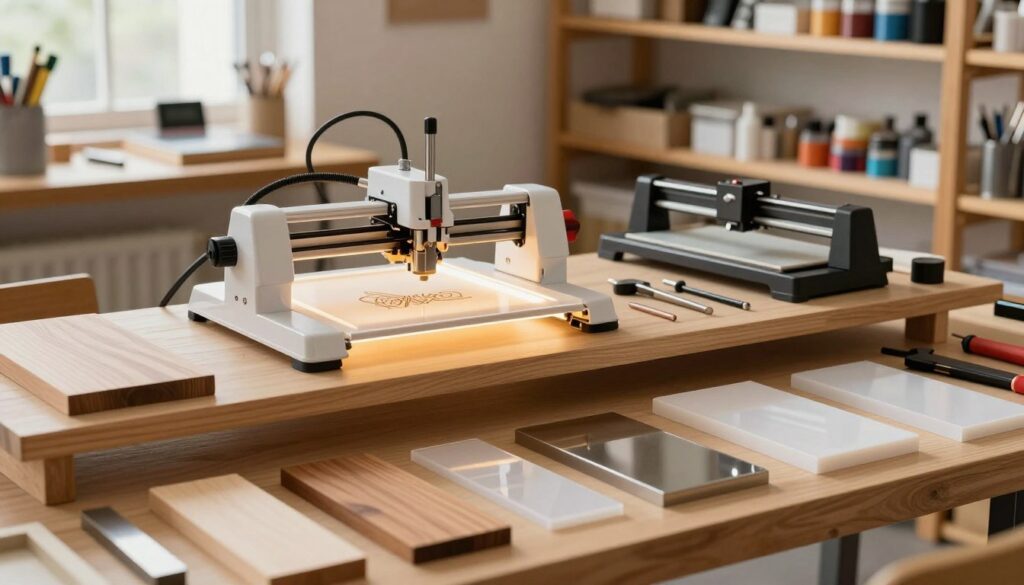
I have found that categorizing your inventory into wood and synthetic groups simplifies the sourcing process significantly. By focusing on these two primary areas, you can better align your production with specific market demands. Choosing the right laser engraving starter blanks is the first step toward building a sustainable and profitable brand.
Wood Products for Beginners
Wood is often the preferred starting point for many entrepreneurs because it is incredibly forgiving during the learning phase. These natural materials offer a warm, premium aesthetic that customers consistently find appealing.
Hardwood cutting boards and coasters
Hardwood items like maple or walnut cutting boards are among the best blanks for laser engraving. They provide a high-end finish that allows you to charge a premium price point. Because these items are durable, they are perfect for personalized gifts and kitchen decor.
Plywood and MDF sheets for intricate designs
If you want to create detailed ornaments or wall art, plywood and MDF are excellent choices. These materials are consistent in density, which helps you achieve precise cuts every time. They are widely considered essential craft blanks for beginners who want to experiment with complex patterns.
Acrylic and Synthetic Materials
Once you master wood, you may want to expand into synthetic materials to diversify your product line. These materials offer a modern, sleek look that stands out in a crowded marketplace.
Cast acrylic sheets for signage
I always recommend using cast acrylic rather than extruded acrylic for your projects. Cast acrylic produces a clean, frosted edge when engraved, which is vital for high-quality signage. It is more stable under the laser beam and less likely to melt or warp during the process.
Coated metal tumblers and keychains
Coated metal tumblers are currently among the most profitable top craft blanks for laser engraving available today. The laser removes the powder coating to reveal the stainless steel underneath, creating a sharp, permanent contrast. These items are highly popular for corporate branding and personalized retail sales.
Step-by-Step Guide to Sourcing the Best Craft Blanks to Buy for Laser Engraving Business Startup
When I started my journey, I quickly learned that finding the right blanks was the key to consistent results. Building a sustainable supply chain is not just about finding the lowest price; it is about ensuring that your materials perform perfectly under the laser beam every single time.

Researching Reliable Wholesale Suppliers
To find the top craft blanks for laser engraving, you must look beyond basic retail stores. I recommend searching for dedicated wholesale distributors that specialize in laser-ready materials, as they often provide detailed specifications regarding material composition.
Consistency is the hallmark of a professional business. You need a supplier who maintains steady stock levels so that your production line never grinds to a halt due to missing inventory.
Requesting Samples Before Bulk Ordering
Never commit to a large order without testing the material first. Even if a product is marketed as a laser engraving starter blank, the chemical composition can vary between manufacturing batches.
“Quality is never an accident; it is always the result of high intention, sincere effort, intelligent direction and skillful execution.”
Requesting samples allows you to verify how the material reacts to your specific machine settings. This simple step saves you from the frustration of wasting money on hundreds of units that do not engrave cleanly.
Verifying Material Compatibility with Your Laser Wattage
Knowing where to buy laser engraving blanks is only half the battle; you must also ensure the material matches your laser’s power output. A low-wattage diode laser will interact differently with materials than a high-powered CO2 laser.
| Material Type | Recommended Wattage | Engraving Quality |
|---|---|---|
| Birch Plywood | 20W – 40W | High Contrast |
| Cast Acrylic | 40W – 60W | Smooth Finish |
| Anodized Aluminum | 10W – 20W | Sharp Detail |
Managing Inventory and Storage for Small Businesses
Once you have secured your custom engraving blanks, you must protect your investment. Improper storage is a common pitfall that leads to warping, moisture absorption, or surface degradation.
I suggest keeping your materials in a climate-controlled environment, away from direct sunlight and high humidity. By organizing your stock effectively, you ensure that every piece remains in pristine condition until it is ready for the laser.
Common Mistakes to Avoid When Purchasing Engraving Blanks
I have learned that the success of your engraving venture often hinges on the quality of the blanks you select. Many new business owners fall into the trap of purchasing materials without verifying their specific physical properties. This oversight frequently leads to failed projects and wasted time that you simply cannot afford during your startup phase.
Overlooking Material Thickness and Density
When you are searching for laser engraving blanks, it is vital to check the exact thickness and density of the product. If a material is too dense, your laser may not cut through it cleanly, resulting in charred edges or incomplete designs. Conversely, materials that are too thin might warp under the heat of the laser.
Always request technical specifications from your supplier before placing a large order. Ensuring that your quality craft blanks for engraving meet the required standards will save you from the frustration of ruined inventory. Consistency is the key to maintaining a professional reputation with your clients.
Ignoring Safety Hazards of Non-Laserable Plastics
One of the most dangerous mistakes you can make is using materials that are not safe for laser processing. I strongly advise against using plastics like PVC, which can release toxic chlorine gas when heated. This gas is not only harmful to your health but can also cause permanent damage to your laser optics and internal components.
If you are looking for where to buy laser engraving blanks, stick to reputable sources that explicitly label their products as laser-safe. Never assume a plastic is safe just because it looks similar to acrylic. Protecting your equipment and your workspace is a non-negotiable part of running a sustainable business.
Underestimating Shipping Costs and Lead Times
Many craft blanks for beginners appear affordable at first glance, but shipping costs can quickly erode your profit margins. I recommend calculating the total landed cost of your custom engraving blanks before finalizing any purchase. High shipping fees or unexpected customs duties can turn a good deal into a financial burden.
Furthermore, long lead times can disrupt your production schedule and leave you unable to fulfill customer orders. Always factor in potential delays when planning your inventory levels. By staying organized and proactive, you can maintain a healthy cash flow and keep your business running smoothly.
Conclusion
Building a successful laser engraving business relies on the quality of the items you choose to customize. Your selection of craft blanks serves as the foundation for every piece you create. High-quality materials ensure that your finished work stands out in a crowded marketplace.
I suggest you start your venture with a small, manageable inventory. Test each material thoroughly to understand how it reacts to your specific laser settings. This hands-on approach helps you avoid waste while you learn the nuances of different surfaces.
Listen closely to your customers as you grow. Their feedback provides the best roadmap for expanding your product line. You can refine your offerings based on what sells best and what brings the most joy to your clients.
You have the power to build a brand known for excellence. Focus on safety and consistency to create custom products that leave a lasting impression. Your commitment to quality will define your success in this creative industry.