Early in my maker journey, I struggled with unsightly burn marks and charred edges on my wood projects. I quickly realized that achieving professional results requires more than just a powerful machine. Finding the best masking tape for clean laser engraving lines became my secret weapon to elevate my work from amateur to gallery quality.
Precision in my craft starts long before the beam touches the material. By applying a protective barrier, I prevent smoke damage and ensure every detail remains crisp. This simple step saves me hours of tedious sanding and finishing work later on.
Selecting the right adhesive is a critical decision for any serious creator. In this guide, I share my personal process for identifying the best masking tape for clean laser engraving lines to help you achieve flawless results every time.
Key Takeaways
- Surface protection is essential to prevent permanent smoke staining.
- Proper application techniques reduce post-processing time significantly.
- Not all adhesives react well to high-heat laser environments.
- Testing materials ensures compatibility before starting a final project.
- Quality supplies directly impact the professional finish of your work.
Why Masking Matters for Laser Engraving
When I look at the difference between a scorched project and a clean one, the answer is almost always proper masking. Using high-quality masking tape for laser engraving is not just a suggestion; it is a fundamental requirement for anyone serious about professional results.
I view this tape as a sacrificial barrier that stands between my material and the intense heat of the laser. Without this layer, the smoke and resin produced during the burn settle directly onto the surface, leaving behind permanent stains that are nearly impossible to remove.
Preventing Surface Charring and Smoke Staining
The primary function of laser engraving tape is to capture the airborne debris that inevitably rises during the cutting or etching process. As the laser vaporizes the material, it creates a plume of smoke that carries carbon particles.
If these particles land on an unprotected surface, they bond with the material, creating unsightly dark rings or “smoke staining.” By applying a layer of tape, I ensure that these particles land on the adhesive backing instead of my project. Once the job is finished, I simply peel away the tape to reveal a crisp, clean surface underneath.
“Precision in laser work is not just about the machine’s accuracy; it is about the integrity of the surface finish you leave behind.”
Protecting Delicate Wood Grains and Acrylic Finishes
Beyond smoke control, masking provides a vital shield against the intense heat generated by the laser beam. Delicate wood grains can easily become scorched or discolored if the heat spreads too far from the cut line.
Similarly, acrylic surfaces are prone to heat-induced stress marks or melting if not properly shielded. Using the right tape allows me to maintain the aesthetic quality of my materials while ensuring the structural integrity remains intact.
| Feature | Unmasked Surface | Masked Surface |
|---|---|---|
| Smoke Staining | High risk of residue | Minimal to none |
| Surface Charring | Visible burn marks | Clean edges |
| Cleanup Time | Extensive sanding | Immediate peel |
| Material Integrity | Potential heat damage | Protected finish |
By prioritizing this step, I save hours of post-processing work. Investing in reliable masking tape for laser engraving is the most effective way to ensure every piece I create meets my high standards for quality.
Key Characteristics of the Best Masking Tape for Clean Laser Engraving Lines
I have found that the technical specifications of your masking tape directly dictate the quality of your final project. When you aim for precision, understanding the physical properties of your supplies is essential. Choosing the best masking tape for clean laser engraving lines involves looking beyond the brand name and focusing on how the material interacts with high-intensity heat.
Paper Weight and Thickness Considerations
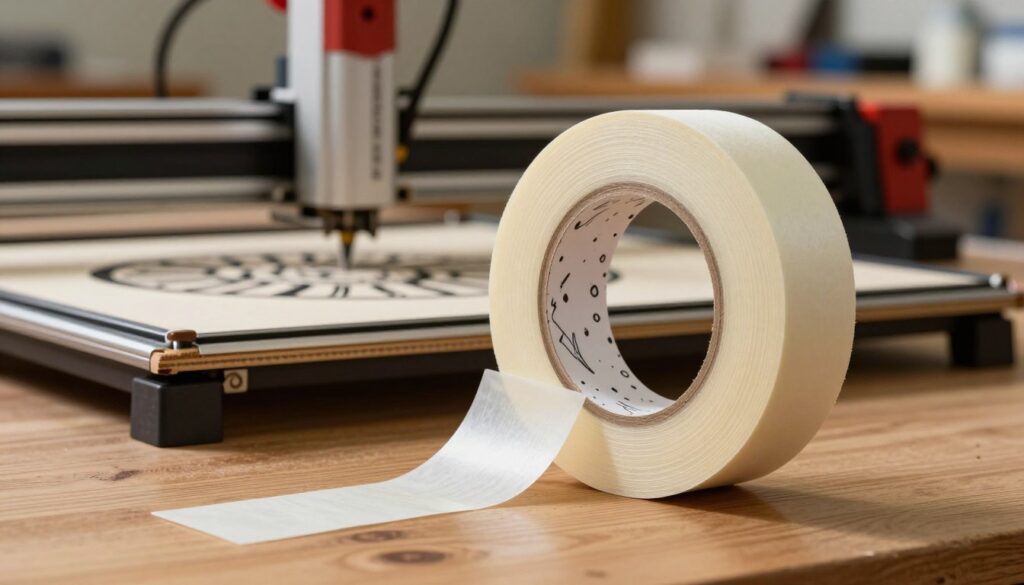
The weight of the paper carrier is a primary factor in how well it shields your material. A medium-weight paper provides a robust barrier against smoke and charring without being so thick that it absorbs too much laser energy. If the tape is too thin, it may fail to protect the surface from heat-induced discoloration.
Conversely, excessively thick tape can interfere with the focal length of your laser. I always look for a balance that offers enough density to block debris while remaining thin enough to allow for a sharp, clean cut. This balance is the secret to achieving consistent results across various wood types.
The Importance of Low-Tack Adhesives
Using a clean engraving lines tape requires an adhesive that holds firm during the process but releases easily afterward. High-tack adhesives often leave behind sticky residue that is difficult to remove from delicate wood grains or acrylic surfaces. I prioritize low-tack options because they protect the integrity of the substrate during the peeling process.
When the adhesive is too aggressive, you risk pulling up wood fibers or damaging delicate finishes. A low-tack formula ensures that your masking tape for clean lines stays in place while the laser works, yet lifts away cleanly once the job is finished. This saves significant time during the post-processing phase.
Breathability and Gas Escape During the Burn
Laser engraving creates a significant amount of gas and vapor as the material vaporizes. If your tape is not breathable, these gases can become trapped between the tape and the surface. This trapped pressure often leads to bubbling, which causes the laser to lose focus and results in uneven engraving.
High-quality masking tapes allow these gases to escape through the paper fibers. This breathability prevents the tape from lifting prematurely and ensures the laser beam maintains a consistent path. By selecting a tape with the right porosity, you ensure that your final design remains crisp and free from unwanted artifacts.
| Feature | Low-Quality Tape | Professional Grade Tape |
|---|---|---|
| Adhesive Strength | High (Leaves Residue) | Low-Tack (Clean Removal) |
| Paper Density | Inconsistent | Uniform/Stable |
| Gas Permeability | Non-Breathable | High Breathability |
| Heat Resistance | Poor (Melts/Burns) | Excellent (Protective) |
Evaluating Adhesive Strength and Residue
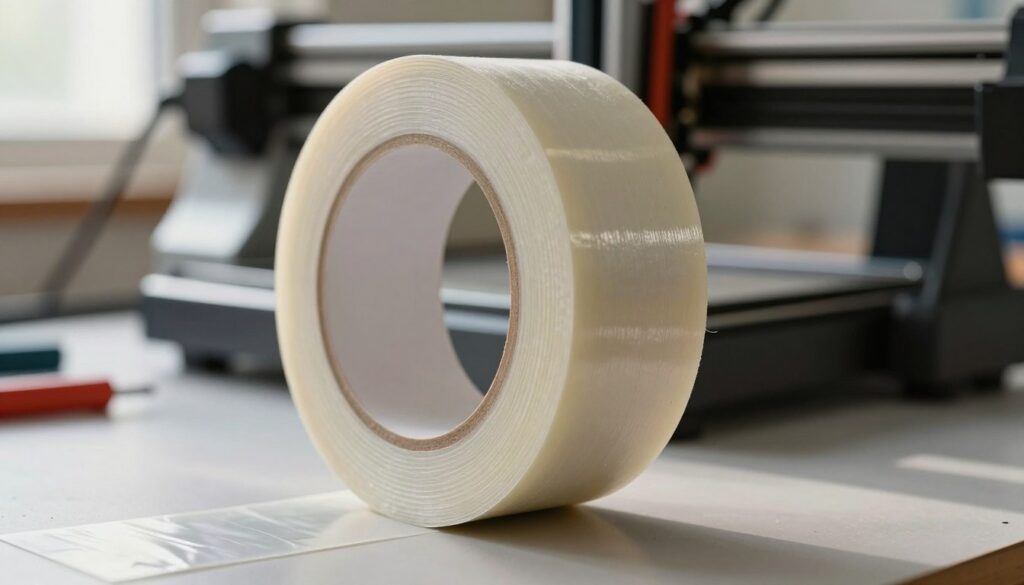
Evaluating the strength of your masking tape for laser engraving is essential for achieving professional results without damaging your substrate. I have found that the difference between a pristine project and a ruined piece of material often comes down to how the adhesive interacts with the surface fibers.
Testing for Surface Damage on Softwoods
Softwoods like pine or cedar are notorious for fiber lifting when you use an adhesive that is too aggressive. Before I commit to a full production run, I always perform a small test patch on a scrap piece of the same material.
- Apply the tape firmly to the wood surface.
- Burn a small test pattern through the tape.
- Remove the tape slowly at a 45-degree angle to check for splintering.
If the wood fibers pull away with the tape, the adhesive is simply too strong for that specific grain. Using a precision masking tape designed for delicate surfaces will save you hours of sanding and frustration.
Avoiding Sticky Residue on Acrylic Surfaces
Acrylic is a beautiful material, but it is incredibly unforgiving when it comes to adhesive residue. If your tape leaves behind a gummy film, it can be nearly impossible to remove without scratching the polished surface.
“The hallmark of a professional finish is the absence of post-processing cleanup.”
I prioritize using a professional masking tape that features a clean-release adhesive. This ensures that the tape stays put during the laser process but peels away effortlessly once the job is complete.
Why I Avoid Standard Hardware Store Painter’s Tape
Many beginners reach for standard blue painter’s tape found at local hardware stores, but I strongly advise against it. These products are designed for wall paint, not for the intense heat cycles of a laser system.
Standard tapes often lack the heat resistance required to prevent the adhesive from melting into the substrate. By investing in a dedicated precision masking tape, you ensure that your lines remain crisp and your materials stay protected throughout the entire engraving process.
Material Compatibility and Heat Resistance
When I operate high-wattage laser systems, I pay close attention to how my masking tape for laser engraving reacts to intense thermal energy. High-power lasers generate significant heat, which can cause inferior adhesives to melt or bond permanently to the surface. Selecting the right protection for your substrate requires a deep understanding of heat resistance and material properties.
Selecting Tapes for High-Wattage Laser Systems
For high-wattage machines, I always prioritize high-quality masking tape that features a heat-resistant adhesive. Standard tapes often fail under the concentrated beam, leading to messy cleanup or ruined projects. I look for products specifically rated for industrial applications where thermal stability is non-negotiable.
“The secret to a clean burn is not just the laser settings, but the ability of your masking material to act as a thermal barrier without leaving a trace.”
Managing Tape Performance on Different Substrates
Every material interacts with the laser beam differently, and your tape must adapt to these unique needs. I categorize my approach based on the density and thermal conductivity of the substrate. Using the wrong tape can lead to excessive charring or poor edge definition.
| Material Type | Heat Sensitivity | Tape Requirement |
|---|---|---|
| Natural Hardwood | High | Heavy-duty paper |
| Cast Acrylic | Moderate | Low-tack adhesive |
| Extruded Acrylic | Very High | Extra-thin masking |
Working with Natural Hardwoods
When I work with natural hardwoods, the primary concern is preventing smoke staining around the engraved lines. I use a laser engraving tape that is thick enough to absorb the smoke but breathable enough to prevent heat buildup. This balance ensures that the wood grain remains protected from the intense heat of the laser.
Working with Cast and Extruded Acrylics
Acrylics are particularly sensitive to heat, and they often require a different strategy than wood. I prefer a high-quality masking tape that releases cleanly without leaving sticky residue on the plastic surface. Because extruded acrylic melts at lower temperatures, I ensure my tape is applied smoothly to prevent air pockets that could trap heat and cause surface bubbling.
- Always test a small scrap piece before starting a large project.
- Ensure the tape is pressed firmly to avoid smoke seepage.
- Use a laser engraving tape that is easy to remove after the job is finished.
My Top Recommended Tapes for Precision Projects
I have spent years testing various tapes to find the best masking tape for clean laser engraving lines. Selecting the right product often determines whether a project looks like a masterpiece or a messy prototype. Through trial and error, I have narrowed down my inventory to three reliable options that handle heat and residue with ease.
Using TransferRite Ultra for Large Scale Projects
When I work on large-scale signage or expansive wood panels, I reach for TransferRite Ultra. This precision masking tape offers a consistent tack that covers wide areas without lifting at the edges. It remains stable under the heat of the laser, ensuring that the surface underneath stays pristine.
The primary advantage here is the ease of removal. Even after a long burn time, it peels away in large, clean sheets. This saves me significant time during the post-processing phase of my workflow.
The Reliability of 3M 2090 ScotchBlue for Intricate Designs
For projects involving fine details or complex vector paths, I rely on 3M 2090 ScotchBlue. Its ability to hold tight against delicate wood grains makes it a staple for high-end engraving. I find that it prevents smoke staining better than most standard alternatives on the market.
“The secret to a perfect laser cut is not just the machine settings, but the quality of the barrier you place between the laser and the material.”
Why I Prefer ProTapes Pro-Mask for Consistent Results
ProTapes Pro-Mask has become my go-to professional masking tape for everyday tasks. I appreciate its versatility across different substrates, ranging from soft plywood to dense acrylic. It provides a reliable, heat-resistant barrier that rarely leaves behind sticky residue.
The following table summarizes why I choose these specific products for my workshop needs:
| Tape Brand | Best Use Case | Key Benefit |
|---|---|---|
| TransferRite Ultra | Large Scale Projects | Easy removal on wide surfaces |
| 3M 2090 ScotchBlue | Intricate Designs | Superior edge protection |
| ProTapes Pro-Mask | General Purpose | High material versatility |
Step-by-Step Application Techniques for Flawless Results
Achieving professional results in laser engraving starts long before you hit the start button. While selecting the right material is vital, your physical technique during the setup phase dictates the final quality of your work. I follow a strict process to ensure that my clean engraving lines tape performs exactly as intended every single time.
Preparing the Surface for Optimal Adhesion
Before applying any masking tape for clean lines, I always ensure the substrate is perfectly clean. Dust, wood fibers, or residual oils from your hands can prevent the adhesive from bonding correctly. I prefer to wipe down the surface with a lint-free cloth and a small amount of isopropyl alcohol.
Allow the surface to dry completely before proceeding to the next step. If the material remains damp, the adhesive may fail to stick, leading to potential bleed-through during the burn. A clean, dry surface is the most important factor for precise engraving tape performance.
Applying Tape Without Trapping Air Bubbles
When laying down the tape, I work slowly from one edge to the other. I use a plastic squeegee or a credit card wrapped in a soft cloth to apply firm, even pressure. This technique helps push out trapped air pockets that could cause uneven engraving lines.
If you notice a bubble, lift the tape gently and reapply it to ensure a flat, smooth finish. Consistency is key when you want to achieve a professional look. Taking an extra minute to smooth out the surface prevents the laser from catching on loose edges or creating unwanted charring.
Removing the Masking After the Engraving Process
Once the laser has finished its work, the removal process is just as critical as the application. I recommend peeling the tape back at a sharp, 45-degree angle rather than pulling it straight up. This method helps lift the tape away from the wood or acrylic without pulling up delicate fibers or finish.
If you encounter stubborn bits of tape, use a pair of tweezers to lift the edges carefully. By using high-quality masking tape for clean lines, you will find that the residue is minimal or non-existent. This final step reveals the crisp, sharp edges that define a truly precise engraving tape project.
Conclusion
Achieving professional results requires a commitment to the right supplies and consistent techniques. I encourage you to test these methods with your specific laser system to see how different materials react to various adhesive levels.
Investing in high-quality masking tape transforms your creative process by eliminating cleanup time. You will notice a significant difference in the sharpness of your edges when you prioritize the right materials for your projects.
Selecting a precise engraving tape allows you to push the boundaries of your designs without worrying about surface damage. My goal is to help you spend less time scrubbing away char and more time bringing your artistic vision to life.
Keep a variety of these tapes in your workshop to handle diverse substrates with confidence. Your attention to these small details will elevate the final look of every piece you create.