I often find that the most frustrating part of crafting is dealing with unsightly soot left behind on my projects. When I finish a design, I want a clean, professional look rather than dark, messy edges.
Learning how to remove smoke stains from laser cut plywood is a vital skill for any maker. It allows me to salvage pieces that might otherwise end up in the trash.
In this guide, I share the best way to clean laser cut plywood effectively. By following these simple steps, I can restore the natural beauty of my wood without harming the delicate veneer.
Mastering this process ensures my finished goods look polished and high-quality. With the right approach, you will achieve a pristine finish every single time.
Key Takeaways
- Soot marks are a common challenge for laser hobbyists.
- Proper cleaning techniques protect the wood’s delicate surface.
- Restoring your projects saves both time and expensive materials.
- Simple household items often provide the most effective results.
- Consistent maintenance leads to a professional, high-end appearance.
Understanding Why Laser Cut Plywood Develops Smoke Stains
Before you learn how to remove smoke stains from laser cut plywood, it is vital to grasp why they appear in the first place. Laser cutting is a precise manufacturing method, but it is also a thermal process that naturally produces byproducts. Understanding these origins helps you determine the best approach for restoration.
https://www.youtube.com/watch?v=RSPbr9afObk
The Science of Laser Ablation and Charring
At its core, laser cutting relies on ablation, where a high-intensity beam vaporizes wood fibers to create a cut. As the laser burns through the material, it releases gases and fine carbon particles. These particles often settle back onto the surface of the wood, creating what we identify as smoke residue or soot.
“The beauty of laser-cut wood is often hidden beneath a layer of carbonized dust that requires careful removal to reveal the true grain.”
When the laser intensity is too high or the speed is too slow, the wood undergoes deep-seated charring. This is different from simple surface soot. While soot sits on top of the fibers, charring penetrates the wood, making it much harder to clean without sanding.
Common Causes of Excessive Smoke Residue
Several factors contribute to the severity of the staining on your projects. One of the most frequent culprits is insufficient airflow. If your air assist system is not functioning correctly, smoke cannot escape the cut path, leading to heavy deposits on the surrounding veneer.
Another major factor involves improper power and speed settings. If the laser dwells too long on a single point, it creates excess heat and carbonization. To help you manage these issues, here are a few essential smoke stain removal tips:
- Check your air assist pump to ensure it is clearing debris effectively.
- Use masking tape on both sides of the plywood to prevent surface contact with smoke.
- Test your power settings on scrap material to find the balance between cutting and burning.
By identifying whether your discoloration is light surface soot or deep-seated charring, you can choose the right cleaning method. This diagnostic step saves you time and protects the integrity of your plywood veneer.
Essential Tools and Supplies for Effective Cleaning
Successful laser cut plywood smoke stain removal begins with a well-stocked workbench. I find that having the right inventory on hand prevents frustration and ensures a professional result. Proper preparation is the foundation of any high-quality restoration project.
Selecting the Right Abrasives and Solvents
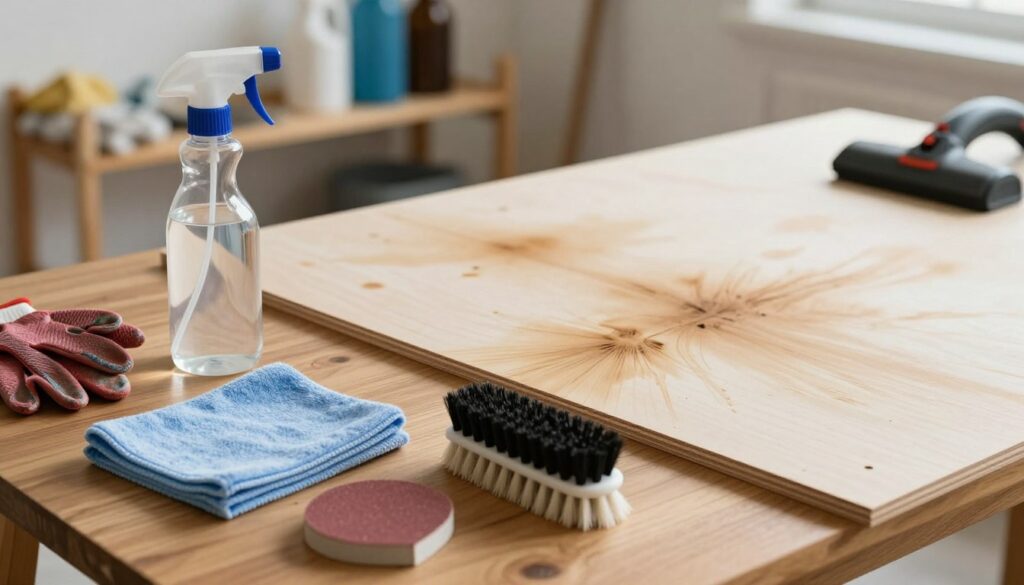
When dealing with charred edges, I rely on fine-grit sanding sponges to gently lift residue without ruining the wood veneer. These sponges are flexible enough to reach into intricate patterns while remaining gentle on the surface. Choosing the correct abrasive is vital to maintaining the structural integrity of your plywood.
For stubborn marks, I incorporate mild solvents like isopropyl alcohol into my routine. These liquids help dissolve resins that sanding alone might miss. Always test your chosen solvent on a scrap piece of wood first to ensure it does not cause discoloration or swelling.
Safety Gear for Handling Cleaning Chemicals
Safety is my top priority when I work with chemical cleaners in the shop. I always wear nitrile gloves to protect my skin from potential irritants found in solvents. These simple smoke stain removal tips will keep your hands clean and safe throughout the entire process.
Furthermore, I never skip using respiratory protection when applying cleaners or sanding fine dust. A high-quality mask prevents the inhalation of harmful particles and chemical fumes. By investing in these essential supplies, you ensure that your workspace remains a safe environment for all your creative endeavors.
How to Remove Smoke Stains from Laser Cut Plywood Using Sanding Techniques
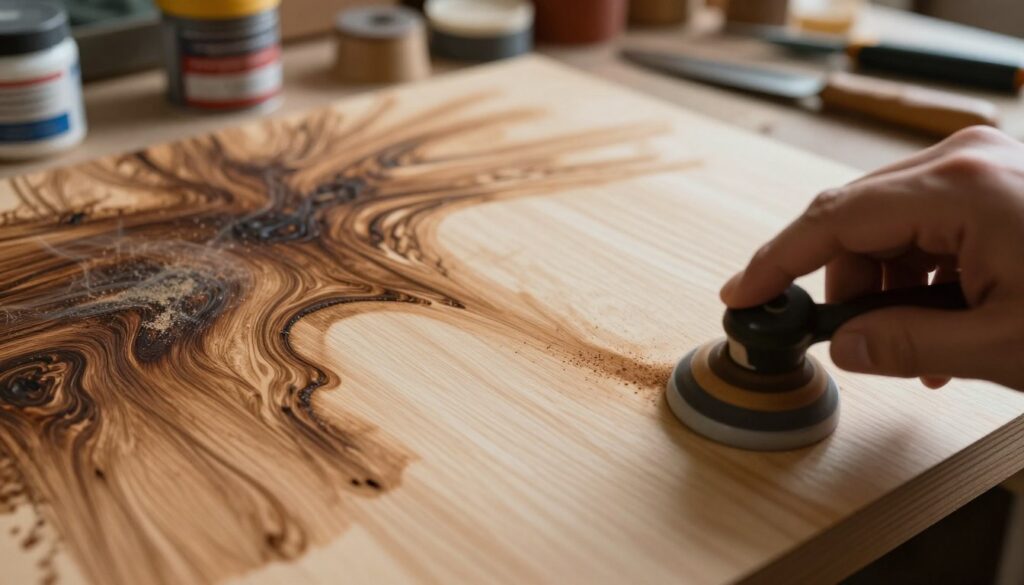
I find that sanding is the most effective way to remove stubborn smoke marks from wood. When you approach laser cut plywood smoke stain removal, mechanical abrasion often yields the cleanest results. This process allows you to physically lift the soot from the surface without introducing moisture that could warp the wood.
Choosing the Correct Grit for Plywood Veneers
Selecting the right abrasive is critical because plywood veneers are typically very thin. I always recommend starting with a 220-grit sandpaper or higher to ensure you do not sand through the top layer. Using a finer grit is one of the safest plywood cleaning methods available for delicate projects.
If the stains are particularly dark, you might be tempted to use a coarser grit. However, I advise against this, as it can easily ruin the surface texture. Always test your sandpaper on a scrap piece of the same material first to gauge how much pressure is needed.
Manual Sanding Methods for Intricate Designs
For projects with complex patterns, manual sanding is essential for maintaining precision. I prefer using small sanding sponges or folded pieces of sandpaper to reach into tight corners. This meticulous approach ensures that you remove the smoke residue without damaging the fine details of your design.
When working by hand, keep your movements consistent and light. You should focus on following the direction of the wood grain whenever possible. This technique helps preserve the natural look of the plywood while effectively completing your laser cut plywood smoke stain removal tasks.
Using Power Sanders for Larger Flat Surfaces
When you have larger, flat areas to clean, manual labor can become quite tedious. I utilize a random orbital sander with a high-grit pad to achieve an even finish across the entire surface. This is one of the most efficient plywood cleaning methods for batch processing multiple components.
Always keep the sander moving to prevent creating deep grooves or uneven spots. I suggest using a light touch and letting the tool do the work for you. By maintaining a steady pace, you will achieve a professional-grade finish that looks as good as new.
Chemical Cleaning Methods for Stubborn Residue
When mechanical sanding fails to remove stubborn laser residue, chemical cleaning becomes the next logical step. I have found that certain resins are simply too deep for sandpaper to reach effectively. Using the right chemical agents allows you to clean smoke stains from wood without compromising the structural integrity of your project.
Using Isopropyl Alcohol for Surface Cleaning
High-percentage isopropyl alcohol, typically 90% or higher, acts as an excellent solvent for resinous deposits. I recommend applying a small amount to a lint-free cloth rather than pouring it directly onto the wood. This method helps dissolve the sticky char left by the laser, making it much easier to wipe away.
Because alcohol evaporates quickly, it is one of the most efficient plywood cleaning methods available. You should work in small sections to ensure the residue does not redeposit on the surface. Always ensure your workspace is well-ventilated when using this solvent.
Applying Specialized Wood Cleaners and Degreasers
If alcohol is not enough, specialized wood cleaners and degreasers are your next best option. These products are formulated to lift stubborn soot without leaving harmful streaks or moisture damage behind. I prefer using pH-neutral cleaners that are specifically designed for finished or raw wood surfaces.
When applying these cleaners, use a soft-bristled brush or a microfiber cloth to gently agitate the surface. This helps the solution penetrate the grain and lift the smoke particles. Once the residue is loosened, wipe the area clean with a dry cloth to prevent any moisture from soaking into the plywood layers.
Precautions When Using Solvents on Plywood
You must exercise caution when using any liquid solvent on plywood. Excessive moisture can cause the thin veneer layers to swell or warp, which ruins the professional look of your piece. I always suggest testing your chosen cleaner on a small, inconspicuous scrap piece first to check for potential discoloration.
Avoid soaking the wood, as this can lead to delamination of the plywood layers. If you notice the wood grain raising, stop immediately and allow the surface to dry completely before proceeding. Proper technique is essential to maintaining the quality of your laser-cut designs.
| Cleaning Agent | Best For | Risk Level |
|---|---|---|
| Isopropyl Alcohol | Light Resin Deposits | Low |
| Wood Degreaser | Heavy Soot/Grease | Medium |
| Mild Soap Solution | Surface Dust | Very Low |
Preventative Strategies to Minimize Smoke Stains During Cutting
Achieving a pristine finish on your laser-cut projects starts long before you reach for a cleaning cloth. By managing the cutting environment, you can significantly reduce the need to clean smoke stains from wood later on. Proactive adjustments to your machine and workflow will save you hours of tedious post-processing work.
Optimizing Air Assist Settings
The air assist feature on your laser cutter is your first line of defense against soot. By directing a steady stream of compressed air directly at the point of the cut, you effectively blow smoke and debris away from the material surface. Proper pressure settings ensure that the smoke does not settle back onto the wood, which keeps the edges crisp and clean.
The Importance of Proper Ventilation and Exhaust
A high-quality exhaust system is essential for maintaining a clean cutting environment. If your ventilation is weak, smoke will linger inside the cabinet and deposit soot onto your workpiece. I recommend checking your exhaust fan and ducting regularly to ensure they are free of blockages that could hinder airflow.
Using Masking Tape to Protect Wood Surfaces
Applying a layer of low-tack masking tape to the surface of your plywood is a highly effective DIY smoke stain removal strategy. This physical barrier catches the majority of the char and soot produced during the laser process. Once the cut is complete, you simply peel away the tape to reveal a perfectly clean surface underneath.
| Strategy | Primary Benefit | Ease of Implementation |
|---|---|---|
| Air Assist | Reduces edge charring | High |
| Exhaust System | Prevents soot buildup | Medium |
| Masking Tape | Protects surface finish | Very High |
Post-Cleaning Finishing Touches for a Professional Look
After completing your DIY smoke stain removal, you might notice the wood surface feels a bit thirsty or dull. This is a common side effect of using solvents or abrasives to clean laser-cut edges. To achieve a truly professional result, you must take a few extra steps to nourish the wood fibers and protect your hard work.
Applying Wood Conditioners and Sealants
Wood conditioners are essential for replenishing the natural oils that are often stripped away during the cleaning process. By applying a high-quality conditioner, you prevent the wood from looking parched and uneven. Consistency is key when applying these products to ensure the surface remains uniform.
Once the conditioner has soaked in, applying a sealant is the next logical step. A clear sealant acts as a protective barrier against moisture and future environmental damage. This layer not only preserves the integrity of the plywood but also provides a smooth, touchable finish that elevates your project to a commercial standard.
Restoring the Natural Grain Appearance
The final goal of removing smoke residue from plywood is to reveal the hidden beauty of the wood grain. Many crafters find that a light application of wax or a specialized wood oil helps to pop the natural patterns of the veneer. This simple technique adds depth and richness to your finished piece.
Taking the time to buff the surface gently will result in a soft, professional sheen. This process ensures that your finished project looks as vibrant as it did before the laser cutting process began. By following these finishing touches, you guarantee that your work stands out with a polished, high-quality appearance.
Common Mistakes to Avoid During the Cleaning Process
When you are removing smoke residue from plywood, the difference between a professional result and a ruined piece often comes down to avoiding specific errors. Even with the best intentions, it is easy to make mistakes that can permanently damage your hard work. By following professional smoke stain removal techniques, you can ensure your project maintains its structural integrity and aesthetic appeal.
Preventing Over-Sanding and Veneer Damage
One of the most frequent errors I encounter is aggressive sanding. Plywood often features a very thin decorative veneer layer that sits atop a softer core. If you apply too much pressure or use a grit that is too coarse, you will quickly burn through this veneer.
Once the veneer is compromised, the inner core becomes exposed, which is nearly impossible to repair. I always recommend using a light touch and checking your progress frequently. Patience is your best tool when you are working to restore the surface of your laser-cut designs.
Avoiding Moisture Damage to Plywood Layers
Another critical mistake involves the use of liquids. Plywood is composed of multiple layers of wood glued together, and these layers are highly sensitive to moisture. If you soak the wood during the cleaning process, the glue bonds can weaken, leading to warping or delamination.
You should always use a damp cloth rather than a wet one. Ensure that you wipe the surface quickly and dry it immediately to prevent the wood from absorbing excess liquid. Using professional smoke stain removal techniques means prioritizing the health of the wood fibers over speed.
| Action | Risk | Best Practice |
|---|---|---|
| Heavy Sanding | Veneer Burn-through | Use fine grit (220+) |
| Soaking Wood | Delamination/Warping | Use damp, not wet, cloth |
| Chemical Overuse | Surface Discoloration | Test on a hidden area |
| Ignoring Grain | Visible Scratches | Sand with the grain |
Conclusion
Achieving a pristine look on your wood projects transforms a simple cut into a high-quality piece of art. I find that consistent maintenance of your laser equipment combined with proper post-processing steps yields the best results for every creator.
You now possess the knowledge to identify the best way to clean laser cut plywood using both mechanical and chemical approaches. These professional smoke stain removal techniques allow you to salvage intricate designs that might otherwise look charred or messy.
I suggest you dedicate time to testing these methods on scrap pieces of Baltic Birch or similar plywood varieties. This practice builds your confidence and helps you understand how different wood grains react to various solvents and sanding grits.
Your commitment to refining these skills will elevate the standard of your finished products. Please share your experiences with these cleaning methods or reach out with questions about specific wood types. I look forward to seeing the clean, professional results you produce in your workshop.