Creating custom drinkware has become a cornerstone of my laser workshop. Over the years, I have learned that the hardware you choose dictates the final quality of your work. Understanding the nuances of a rotary attachment vs roller axis for engraving tumblers is essential for anyone looking to scale their production.
I often get asked which method provides better precision or speed. My goal is to share my personal experience with these tools to help you streamline your workflow. By evaluating the mechanics of each setup, you can make an informed decision that fits your specific project goals.
Choosing the right equipment is not just about convenience; it is about consistency. Whether you are working on small batches or high-volume orders, the right choice ensures professional-grade results every time. Let’s dive into the technical details that will elevate your craft.
Key Takeaways
- Identify the core mechanical differences between common laser hardware options.
- Learn how to select the best tool based on your specific project requirements.
- Improve your overall production efficiency by optimizing your machine setup.
- Discover essential troubleshooting tips for achieving high-quality custom designs.
- Understand the impact of hardware selection on long-term project success.
Understanding the Mechanics of Rotary Engraving
Mastering the art of laser engraving requires a deep dive into the mechanical systems that rotate your workpieces. I have found that the way a tumbler moves under the laser beam directly dictates the clarity and alignment of your final design. By grasping how these tools function, you can make better decisions for your specific projects.
How Chuck-Style Rotary Attachments Work
A chuck-style system operates much like a lathe, using a mechanical clamp to hold the vessel firmly in place. One of the primary rotary attachment benefits is the absolute mechanical connection between the motor and the object. Because the tumbler is physically gripped, there is virtually no risk of slippage during long, complex engraving cycles.
This design is ideal for items that are not perfectly cylindrical or have irregular weight distributions. I rely on this method when I need to ensure that the rotation remains perfectly synchronized with the laser’s movement. It provides the high-precision control necessary for intricate graphics that wrap around the entire circumference of a vessel.
The Physics Behind Roller Axis Systems
In contrast, roller-based systems rely on the physics of friction to rotate the workpiece. The vessel sits directly on two or more wheels that spin, causing the object to rotate as the laser fires. The most significant roller axis advantages include the speed and ease of setup, as you simply place the tumbler on the rollers without needing to adjust clamps.
This method is highly efficient for standard cylindrical tumblers where quick turnaround times are essential. However, because it relies on surface friction, you must ensure the weight is balanced to prevent the object from walking or slipping during the process. When used correctly, it offers a seamless workflow for high-volume production tasks.
| Feature | Chuck-Style System | Roller Axis System |
|---|---|---|
| Primary Grip | Mechanical Clamp | Surface Friction |
| Setup Speed | Moderate | Very Fast |
| Best For | Complex/Heavy Items | Simple Cylinders |
| Slippage Risk | Extremely Low | Moderate |
Rotary Attachment vs Roller Axis for Engraving Tumblers: Key Differences
When I perform an engraving tumblers comparison, I find that the choice often comes down to the specific geometry of the drinkware being processed. Deciding between a rotary attachment vs roller axis for engraving tumblers requires a clear understanding of how each system interacts with the material. My goal is always to select the tool that provides the most reliable outcome for my specific design requirements.
Precision and Grip Capabilities
Chuck-style systems provide a mechanical lock that is essential for complex, high-detail work. By gripping the tumbler directly, the chuck prevents slippage during the entire rotation process. This creates a secure connection that is far superior when I am working with heavy or oddly shaped vessels.
In contrast, roller systems rely on the weight and friction of the tumbler itself to maintain contact. While this is often sufficient for simple jobs, it lacks the absolute stability of a chuck. I prefer the chuck when the design requires perfect alignment across multiple passes.
Speed and Setup Efficiency
Efficiency is a major factor in my daily workflow. Roller axes are generally faster to set up because they do not require precise centering or clamping. I simply place the tumbler on the rollers and start the job, which saves significant time on high-volume projects.
However, the chuck system offers greater consistency for long engraving cycles. Although the initial setup takes longer, I rarely have to worry about the tumbler shifting or losing its position. This reliability allows me to walk away from the machine with confidence during longer tasks.
Compatibility with Different Tumbler Shapes
The shape of the drinkware dictates which tool I choose for the job. Rollers are excellent for standard, straight-walled cylinders where gravity provides enough grip. They are my go-to choice for simple, uniform items that do not require complex indexing.
When I encounter tapered or irregular shapes, the chuck becomes necessary to maintain geometric accuracy. A thorough engraving tumblers comparison shows that the chuck handles non-uniform diameters much better than rollers. By locking the vessel in place, I ensure that my designs remain crisp and undistorted regardless of the tumbler’s profile.
Setting Up the Chuck-Style Rotary Attachment
When I first started using a rotary attachment for tumblers, I quickly learned that stability is everything. Achieving professional results requires a methodical approach to hardware configuration before you ever hit the start button. By focusing on these core setup steps, you ensure that your designs remain crisp and perfectly aligned on every vessel.
Securing the Tumbler for Zero Slippage
To prevent any rotational movement, I always ensure the chuck jaws are tightened evenly around the base of the cup. If the jaws are not centered, the tumbler will wobble, leading to distorted engravings. I recommend using a centering tool to verify that the vessel sits perfectly parallel to the laser bed.
Once the tumbler is locked in, I perform a manual rotation test to check for any play in the mechanism. A secure grip is the most vital factor when using a high-quality rotary attachment for tumblers to maintain design integrity. If you notice even a slight shift, stop and re-tighten the chuck immediately.
Calibrating Steps per Rotation in LightBurn
Software calibration is just as important as the physical setup. In LightBurn, you must input the correct “Steps per Rotation” value to ensure the laser moves the exact distance required for your design. I usually run a test square to verify that the circumference of the cup matches the software output.
If your design appears stretched or squashed, your calibration settings likely need a minor adjustment. Accurate software configuration allows your rotary attachment for tumblers to translate digital files onto curved surfaces with perfect precision. Always save your calibrated profiles for different cup sizes to save time on future projects.
Managing Weight Distribution for Heavy Vessels
Working with heavy, high-quality stainless steel vessels can put significant strain on your rotary motor. I often use a support stand or a tailstock to cradle the far end of the tumbler. This simple addition prevents the weight of the cup from sagging, which keeps the surface level under the laser beam.
Proper weight management protects your equipment and ensures consistent engraving depth across the entire length of the cup. By balancing the load, you allow your rotary attachment for tumblers to operate smoothly without skipping steps. This attention to detail is what separates amateur work from professional-grade results.
| Setup Factor | Importance | Action Required |
|---|---|---|
| Chuck Centering | High | Use alignment gauge |
| Software Steps | Critical | Calibrate in LightBurn |
| Weight Support | Medium | Use tailstock for heavy cups |
| Jaw Pressure | High | Tighten evenly to avoid cracks |
Configuring the Roller Axis for Consistent Results
Achieving professional results with a roller axis for engraving depends entirely on how well you calibrate your hardware. I have learned that the physical setup is the most critical factor in preventing errors during the marking process. By focusing on the mechanical relationship between the rollers and the tumbler, I can ensure that every design is crisp and accurate.
Adjusting Roller Width for Tapered Tumblers
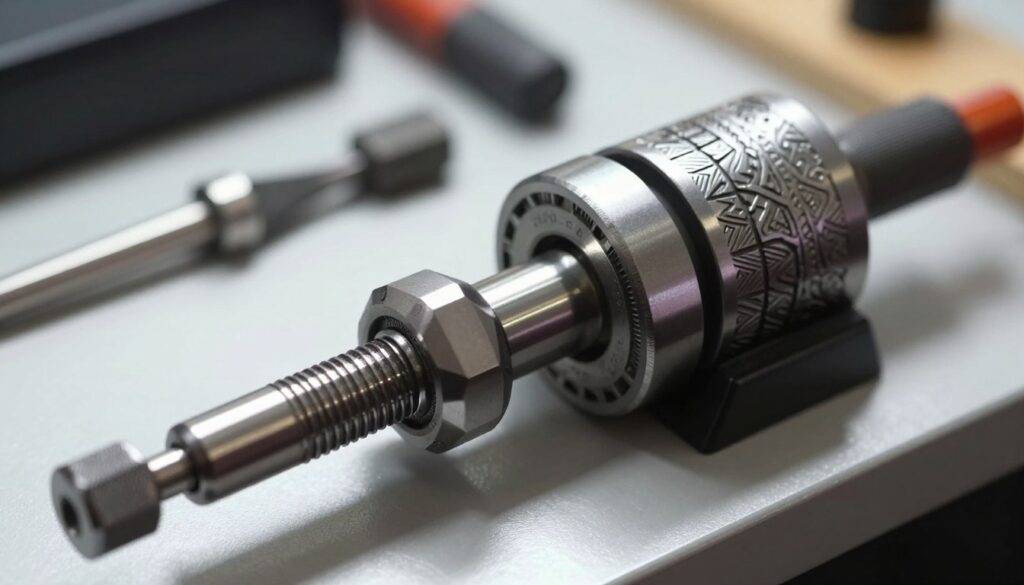
Most tumblers are not perfectly cylindrical, which makes the taper a significant challenge. I adjust the roller width to match the specific diameter of the vessel at the point of contact. If the rollers are too wide or too narrow, the tumbler will sit at an angle, causing the laser to lose focus on one side.
I always measure the diameter at both ends of the tumbler before starting. This allows me to shift the rollers so the vessel remains parallel to the laser beam. Proper spacing ensures that the rotation remains consistent throughout the entire cycle.
Ensuring Level Alignment Across the Surface
Leveling the tumbler is essential for maintaining a uniform focal distance. When the surface is not perfectly horizontal, the laser will produce blurred lines or inconsistent depth. I use a small spirit level to verify that the tumbler sits flat against the rollers.
“Precision in the setup phase is the difference between a hobbyist project and a professional product.”
If the vessel is tilted, I adjust the height of the individual rollers to compensate for the slope. This meticulous attention to detail prevents the laser from drifting during the engraving process. A level surface is the foundation of a high-quality finish.
Preventing Ghosting and Tracking Errors
Ghosting often occurs when the tumbler slips or shifts during the rotation. To prevent this, I ensure the rollers have enough grip to hold the weight of the vessel securely. If I notice tracking errors, I check the tension of the drive belt and the surface friction of the rollers.
Using a roller axis for engraving requires constant monitoring of these variables. The following table outlines how I address common mechanical issues to maintain consistency.
| Issue | Primary Cause | My Solution |
|---|---|---|
| Ghosting | Slippage | Increase roller friction |
| Tracking Error | Uneven pressure | Re-align roller width |
| Blurred Focus | Tapered angle | Level the vessel |
By mastering these adjustments, I can confidently handle a wide variety of drinkware. Consistent results with a roller axis for engraving are well within reach when you prioritize these mechanical fundamentals.
Choosing the Right Tool for Your Specific Tumbler
Selecting the correct tumbler engraving equipment is a decision I make based on the unique requirements of every project. By analyzing the specific rotary attachment features available, I can ensure that my hardware matches the complexity of the design and the physical properties of the vessel.
When to Use a Chuck for Complex Designs
I rely on chuck-style systems whenever a project demands absolute positional accuracy. These tools physically grip the tumbler, which prevents any rotation slippage during long, multi-pass engraving cycles.
- High Precision: Ideal for designs that require perfect alignment across multiple rotations.
- Secure Grip: The mechanical clamp ensures the vessel stays locked in place.
- Complex Patterns: Perfect for intricate graphics that must meet perfectly at the seam.
Why Rollers Excel at Simple Cylindrical Jobs
For standard cylindrical tumblers, I prefer using roller-based systems. These rotary attachment features prioritize speed and efficiency, allowing me to load and unload vessels in seconds rather than minutes.
Rollers are my go-to choice for high-volume production runs where the design is simple and does not require extreme rotational precision. They offer a frictionless experience that keeps my workflow moving quickly.
Evaluating Material Sensitivity and Surface Finish
I always consider how the hardware interacts with the tumbler’s coating. Some materials are prone to scratching or marring if the grip is too aggressive, which is why I carefully evaluate my tumbler engraving equipment before starting.
| Feature | Chuck System | Roller System |
|---|---|---|
| Setup Speed | Moderate | Fast |
| Surface Contact | Mechanical Clamp | Rubber Rollers |
| Best For | Complex/Tapered | Simple Cylinders |
Ultimately, protecting the surface finish is just as important as the engraving quality itself. I choose rollers for delicate finishes to avoid pressure marks, while reserving chucks for robust items that require a firm, non-slip hold.
Troubleshooting Common Alignment Issues
Even with a perfect setup, I occasionally face alignment hurdles that demand immediate attention. When my projects go off-track, I rely on specific techniques to restore precision to my laser work. Addressing these small errors quickly ensures that my final products maintain a professional standard.
Correcting Image Distortion on Tapered Surfaces
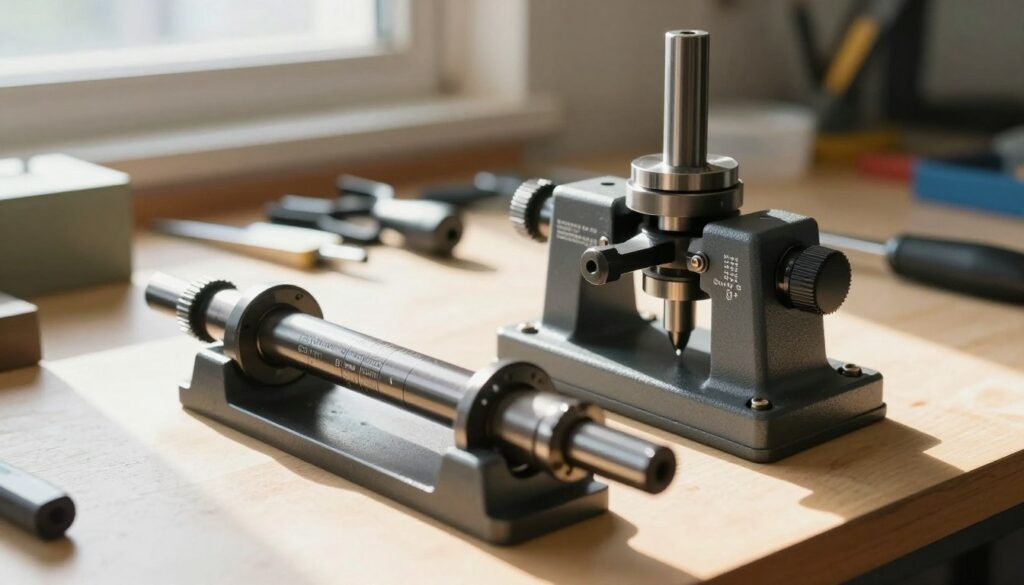
Engraving on tapered tumblers often leads to image stretching or compression. I resolve this by adjusting my software settings to compensate for the changing diameter across the surface. Precision is key when calculating the taper angle to ensure the design wraps perfectly without warping.
Fixing Slippage During Long Engraving Cycles
If I notice the tumbler shifting during a long job, I immediately inspect my roller axis specs to ensure the hardware is configured correctly. I make sure that all friction points are clean and free of debris, as even a small amount of dust can cause the vessel to lose its grip. Properly tensioning the rollers is essential for maintaining consistent rotation throughout the entire cycle.
“Precision in the setup phase is the difference between a masterpiece and a wasted blank. Always verify your mechanical constraints before hitting start.”
Adjusting Focus Height for Non-Uniform Diameters
When working with vessels that have varying diameters, I must adjust the laser focus height to keep the beam sharp. A fixed focus point often results in blurred edges on wider or narrower sections of the tumbler. By manually checking the distance at the widest and narrowest points, I ensure a crisp, clear mark across the entire design area.
| Issue | Primary Cause | Recommended Fix |
|---|---|---|
| Image Distortion | Tapered Geometry | Software Scaling |
| Slippage | Low Friction | Clean Rollers |
| Blurry Edges | Focus Variance | Adjust Z-Height |
Best Practices for Professional Engraving Results
Achieving professional results requires more than just picking the right hardware; it demands a refined approach to the entire engraving process. I have learned that success lies in the details, from the initial setup to the final polish. By focusing on these core areas, you can ensure that your work stands out in a competitive market.
Optimizing Laser Power and Speed Settings
I always start by testing my power and speed settings on a scrap piece of the same material. Every tumbler reacts differently to laser energy, so precision is key to achieving deep, high-contrast marks without damaging the coating.
If the laser moves too fast, the mark may appear faint or inconsistent. Conversely, too much power can cause the coating to bubble or burn. I find that fine-tuning these variables for each specific vessel is the best way to guarantee a clean, professional finish every time.
Preparing Tumbler Surfaces for Better Contrast
Surface preparation is often the most overlooked step in the workflow. Before I begin, I thoroughly clean the tumbler with isopropyl alcohol to remove any oils or fingerprints that might interfere with the laser.
For certain materials, I use masking tape to protect the surrounding area from smoke residue. This simple step significantly enhances the final aesthetic quality of the engraving. Clean surfaces lead to sharper lines and a much more polished look.
Maintaining Your Equipment for Longevity
Reliability is the backbone of any successful business. I make it a priority to perform regular maintenance on all my engraving technology options to ensure they remain accurate for years to come.
This includes cleaning the lenses, checking belt tension, and lubricating moving parts. By keeping my gear in top condition, I avoid unexpected downtime and maintain the high standards my clients expect. Investing time in your tools is truly an investment in your long-term success with various engraving technology options.
Conclusion
Selecting the right hardware transforms how I approach custom drinkware projects. My experience with both chuck-style and roller-based systems proves that versatility drives business growth. I now choose the ideal tool based on the specific geometry of each vessel.
I encourage you to test these mechanical setups with your own laser equipment. Small adjustments to your workflow lead to better precision and higher output quality. You will find that your confidence grows as you match the right rotary method to your unique creative vision.
Professional results depend on your willingness to refine your technique over time. Keep documenting your settings for different materials to build a reliable reference guide. Your dedication to mastering these tools ensures that every tumbler you engrave meets the highest standards of excellence.
Share your progress with the laser community to help others navigate these technical challenges. I look forward to seeing the intricate designs you produce using these methods. Your journey toward perfect engraving starts with the next project on your workbench.